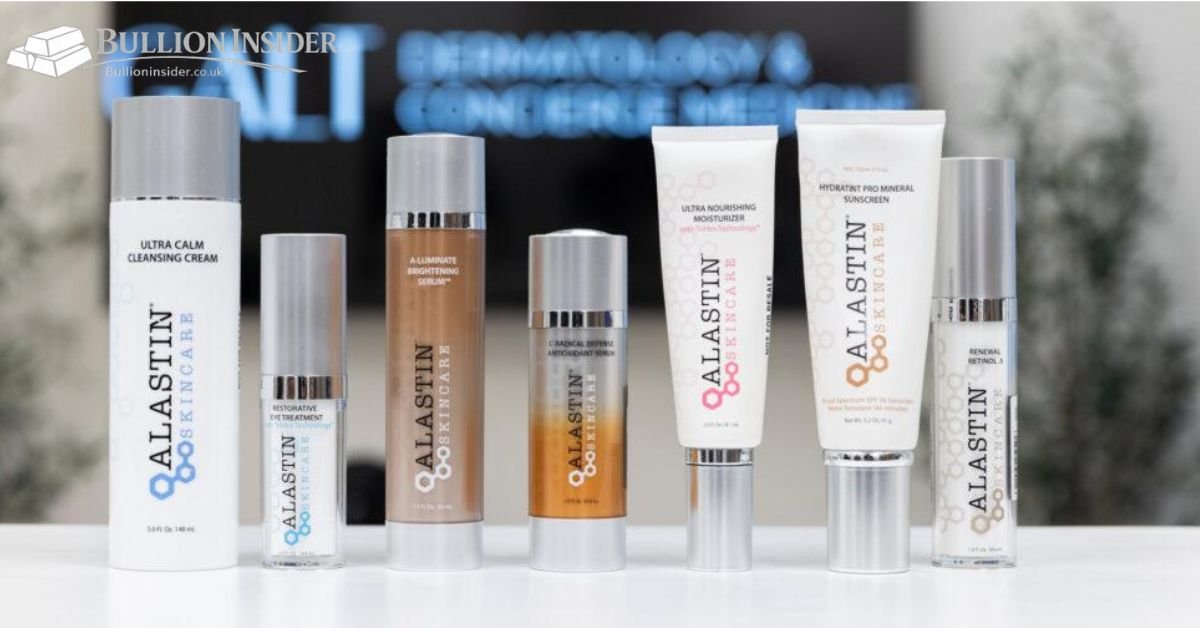
Healthy skin rarely comes from a single miracle product. It is usually the result of consistent care, effective ingredients, and products that support the skin’s natural ability to repair itself. As more people invest in professional-grade skincare, they often encounter brands that are available through dermatologists, plastic surgeons, and medical spas instead of traditional beauty counters. Among these, alastin skincare has earned a strong reputation for combining scientific research with practical, everyday skincare.
Unlike products that focus only on temporarily improving the skin’s appearance, this brand is designed to support the skin’s underlying structure. Its formulas are widely used as part of daily skincare routines and are also recommended before and after cosmetic procedures such as laser resurfacing, microneedling, chemical peels, and injectable treatments. That dual purpose has helped it become a trusted choice for both skincare professionals and consumers looking for long-term improvements rather than quick fixes.
If you’re wondering whether these products are worth the investment, how they work, or which one might suit your skin concerns, this guide covers everything you need to know. You’ll learn about the science behind the brand, its signature technology, key ingredients, product categories, expected results, and practical advice to help you decide whether it deserves a place in your skincare routine.
What Is Alastin Skincare and Why Do Dermatologists Recommend It?
Alastin skincare is a physician-dispensed skincare brand that develops advanced products to improve skin quality before, during, and after aesthetic treatments while also supporting everyday skin health. Founded in 2015 and now part of Galderma, the company focuses on formulations that encourage healthier collagen and elastin rather than simply masking visible signs of aging.
Its product range includes facial serums, cleansers, moisturizers, eye treatments, neck creams, sunscreens, retinol treatments, brightening serums, and body care products. While each product addresses different concerns, they share a common goal: helping the skin maintain a healthier, stronger, and more youthful appearance over time.
One reason the brand is frequently recommended in dermatology and plastic surgery clinics is its emphasis on skin preparation and recovery. Professionals often advise patients to begin using selected products before cosmetic procedures because healthier skin generally responds better to treatment and recovers more efficiently afterward.
Why Medical-Grade Skincare Has Become More Popular
Walk into any beauty store and you’ll find shelves lined with products that promise smoother, brighter, or younger-looking skin. The challenge is that many of these formulas contain lower concentrations of active ingredients or rely heavily on marketing claims instead of clinical research.
Medical-grade skincare takes a different approach. These products are typically developed using ingredients backed by scientific studies and are often recommended by healthcare professionals who understand skin biology. They are designed to target specific concerns such as collagen loss, pigmentation, dehydration, and skin barrier health.
That doesn’t mean every medical-grade product is automatically better than over-the-counter skincare. Instead, the difference lies in formulation quality, ingredient technology, and the evidence supporting how those ingredients perform. This is one reason many people choose medical-grade options when they want a routine focused on long-term skin health rather than temporary cosmetic improvements.
The Science Behind Healthy Skin
To understand why certain skincare products work, it helps to know what changes inside the skin as we age.
Healthy, youthful skin depends largely on two structural proteins: collagen and elastin. Collagen provides strength and firmness, while elastin allows the skin to stretch and return to its original shape. Together, they create the supportive framework that keeps skin smooth and resilient.
Beginning in early adulthood, the body’s production of these proteins gradually slows. Sun exposure, pollution, smoking, poor sleep, chronic stress, and natural aging accelerate this process. Over time, collagen fibers weaken, elastin loses flexibility, and damaged protein fragments accumulate within the skin.
The visible result is familiar to almost everyone: fine lines, wrinkles, uneven texture, dullness, and reduced firmness.
Modern skincare aims to slow these changes by supporting the skin’s natural renewal process instead of attempting to reverse aging overnight.
Understanding TriHex Technology®
The feature that most clearly distinguishes alastin skincare from many competing brands is its patented TriHex Technology®.
Most anti-aging products focus primarily on encouraging collagen production. While that remains an important goal, researchers behind TriHex Technology recognized another challenge. Aging skin often contains damaged collagen and elastin fragments that remain within the extracellular matrix. These fragmented proteins can interfere with the formation of healthy new collagen.
TriHex Technology is designed with a two-step approach. First, it helps support the removal of old, damaged collagen and elastin fragments. Second, it encourages the production of fresh, healthy collagen and elastin. By addressing both processes, the technology aims to create a healthier environment for skin renewal.
Although improvements develop gradually, consistent use may contribute to firmer-looking skin, smoother texture, improved elasticity, and a healthier overall appearance. The technology has also made these products popular among patients preparing for cosmetic procedures, where supporting normal skin renewal can be especially valuable.
Key Ingredients and What They Do
Successful skincare depends on choosing ingredients that work together rather than relying on a single “hero” ingredient. Alastin formulations combine peptides with hydrating, soothing, and protective ingredients to address multiple concerns at once.
Peptides
Peptides are short chains of amino acids that act as building blocks for proteins within the skin. Certain peptides also function as signaling molecules, encouraging skin to maintain its normal repair processes. They are widely used in anti-aging skincare because they support firmness and elasticity without the irritation commonly associated with stronger active ingredients.
Hyaluronic Acid
Hyaluronic acid attracts and retains moisture, helping the skin appear plumper and smoother. Well-hydrated skin not only feels more comfortable but also reflects light more evenly, creating a healthier-looking complexion.
Niacinamide
Niacinamide is a versatile form of vitamin B3 known for improving skin barrier function, reducing redness, balancing oil production, and helping fade uneven pigmentation over time. It is generally well tolerated, making it suitable for many skin types.
Antioxidants
Daily exposure to ultraviolet light and pollution generates unstable molecules known as free radicals. Antioxidants help neutralize these molecules before they contribute to premature skin aging. While they cannot eliminate all environmental damage, they form an important part of a preventive skincare routine.
Retinol
Retinol remains one of the most extensively studied anti-aging ingredients available. It encourages skin cell turnover and can improve the appearance of wrinkles, uneven texture, and discoloration. Because retinol can cause irritation when introduced too quickly, gradual use is generally recommended.
What Skin Concerns Can These Products Address?
No skincare product can solve every problem, but a well-designed routine can improve several concerns at the same time. This makes it easier to maintain consistent habits without relying on an excessive number of products.
These formulations are commonly used to address:
- Fine lines and expression lines
- Visible wrinkles
- Reduced skin firmness
- Loss of elasticity
- Dry or dehydrated skin
- Rough texture
- Dull complexion
- Uneven skin tone
- Sun-related skin damage
- Crepey skin on the neck
- Early signs of aging
- Skin recovery following cosmetic treatments
It’s important to remember that skincare works best when expectations are realistic. Visible improvement usually develops over weeks or months, not days.
Benefits You Can Expect With Consistent Use
Skincare is often judged by immediate results, but the most meaningful changes tend to occur gradually. Products that support collagen and elastin work alongside the skin’s natural renewal cycle, so patience is essential.
With regular use, many people notice improvements such as:
Better Skin Texture
As hydration improves and skin renews itself, rough patches often become smoother. Makeup may also apply more evenly because the skin surface becomes more refined.
Firmer Appearance
Supporting collagen production can improve the skin’s overall structure, making it appear tighter and more resilient over time.
Healthier Hydration
Well-hydrated skin feels softer, looks brighter, and is generally more comfortable throughout the day. Strengthening the skin barrier also helps reduce moisture loss.
More Even Tone
Brightening ingredients and improved skin renewal may gradually reduce the appearance of discoloration caused by sun exposure or previous blemishes.
Support Around Cosmetic Procedures
Patients who undergo treatments such as laser resurfacing or microneedling often focus only on the procedure itself. However, the condition of the skin before treatment can influence recovery. Products developed for pre- and post-procedure care aim to support healthier skin during this period.
Choosing the Right Product for Your Skin Goals
With several serums and treatment options available, selecting the right product can seem confusing. The best choice depends on your primary concern rather than simply choosing the most popular product.
If Your Main Concern Is Fine Lines
A restorative serum focused on collagen support may be the best starting point. These products are designed to improve firmness while softening the appearance of wrinkles over time.
If Your Skin Feels Dry
Look for formulations that combine peptide technology with hydrating ingredients such as hyaluronic acid. Hydration often enhances the overall appearance of the skin while improving comfort.
If Uneven Skin Tone Bothers You
A brightening serum may help improve overall radiance while gradually reducing discoloration. Consistent sunscreen use is equally important because new sun exposure can undo progress.
If You’re Preparing for a Cosmetic Procedure
Patients planning treatments such as laser resurfacing, radiofrequency microneedling, or chemical peels should discuss skincare with their provider several weeks in advance. Using products recommended by your dermatologist or aesthetic practitioner before treatment can help create the best possible environment for recovery.
If You’re New to Medical-Grade Skincare
There’s no need to purchase an entire product line at once. Starting with a cleanser, treatment serum, and sunscreen is often enough to establish a routine. Additional products can be introduced gradually as your skin adjusts and your needs become clearer.
Are These Products Suitable for Every Skin Type?
Most formulations are designed to suit a wide range of skin types, including normal, combination, dry, and mature skin. However, no skincare brand is universally suitable for everyone.
People with highly sensitive skin, active eczema, rosacea flare-ups, or known allergies to specific ingredients should review product labels carefully and seek professional advice before introducing new products. Performing a patch test on a small area of skin is also a sensible precaution, particularly when trying products that contain active ingredients such as retinol.
Finding the right routine is often less about using the most expensive products and more about selecting formulations that match your skin’s individual needs and using them consistently.
Best-Selling Products and Who They’re Best For
Not every product is designed for the same purpose, which is why choosing based on your skin concerns is more effective than buying an entire collection. A targeted routine is usually easier to maintain and often delivers better long-term results.
Restorative Skin Complex
This serum is considered the flagship product in the lineup. It is formulated for people who want to address several signs of aging at once, including fine lines, reduced firmness, uneven texture, and loss of elasticity.
It fits well into both morning and evening routines and is often recommended for anyone looking to simplify their skincare without sacrificing performance.
Best suited for:
- Early to moderate signs of aging
- Dull or tired-looking skin
- Daily anti-aging maintenance
Regenerating Skin Nectar
This product is commonly associated with cosmetic procedures because it is designed to support the skin before and after treatments.
Dermatologists and plastic surgeons may recommend it for patients undergoing procedures such as laser resurfacing, microneedling, radiofrequency treatments, or chemical peels. It is intended to complement professional care rather than replace medical advice.
Best suited for:
- Laser treatments
- Microneedling
- Injectable procedures
- Surgical recovery plans recommended by a provider
HA Immerse Serum
Hydration plays a bigger role in skin health than many people realize. Dry skin often appears rougher, duller, and more prone to showing fine lines.
This serum combines moisture-supporting ingredients with technology that helps the skin maintain a healthy hydration balance. It layers well with other skincare products, making it an easy addition to most routines.
Best suited for:
- Dry skin
- Dehydrated skin
- Seasonal dryness
- Mature skin needing extra moisture
A-Luminate Brightening Serum
Uneven pigmentation can develop for many reasons, including sun exposure, aging, acne marks, and hormonal changes.
A brightening serum is designed to gradually improve overall skin clarity while promoting a more even complexion. Visible changes typically require patience and daily sunscreen use.
Best suited for:
- Sun spots
- Uneven skin tone
- Mild discoloration
- Dull complexion
Restorative Eye Treatment
The skin around the eyes naturally contains less collagen and fewer oil glands than other parts of the face. As a result, it often shows signs of aging earlier.
A dedicated eye treatment focuses on hydration while helping improve the appearance of puffiness, fine lines, and tired-looking eyes.
Best suited for:
- Crow’s feet
- Mild puffiness
- Dry under-eye skin
- Early signs of aging
Restorative Neck Complex
Many skincare routines stop at the jawline, yet the neck is exposed to the same environmental stress as the face.
Using a neck-specific product can help improve the appearance of crepey skin and support smoother-looking skin over time.
Gentle Cleanser
A cleanser should remove sunscreen, oil, makeup, and daily impurities without leaving the skin feeling tight.
Over-cleansing or using harsh soaps can weaken the skin barrier, making even expensive treatment products less effective. A gentle cleanser creates a healthier starting point for the rest of the routine.
Renewal Retinol
Retinol encourages skin renewal and can improve texture, fine lines, and uneven tone with regular use.
If you’re using retinol for the first time, begin with two or three nights each week before increasing frequency. Pairing it with sunscreen during the day is essential because retinol can make skin more sensitive to sunlight.
HydraTint Pro Mineral Sunscreen
Daily sunscreen is one of the most valuable steps in any skincare routine. Even the most advanced anti-aging products cannot fully offset the effects of repeated UV exposure.
A mineral sunscreen with a tinted finish offers protection while helping create a more even-looking complexion.
A Simple Routine That Works
Complicated skincare routines often become difficult to maintain. A practical routine that you can follow consistently usually produces better results than one with too many unnecessary steps.
Morning
- Cleanse the skin.
- Apply a treatment serum based on your skin goals.
- Use a hydrating serum if needed.
- Apply moisturizer if your skin requires additional hydration.
- Finish with sunscreen.
Evening
- Remove makeup and cleanse thoroughly.
- Apply your treatment serum.
- Use retinol on scheduled nights if appropriate.
- Finish with moisturizer.
This straightforward routine gives active ingredients enough opportunity to work without overwhelming the skin.
What Dermatologists Often Recommend
Dermatologists generally agree on several principles that matter more than chasing the latest skincare trend.
First, consistency produces better results than constantly changing products. Skin typically needs several weeks to adjust to a new routine.
Second, sunscreen should be used every day, regardless of the weather. Ultraviolet rays contribute significantly to premature aging, even on cloudy days.
Third, introducing too many active ingredients at once can increase irritation without improving results. Building a routine gradually allows you to identify which products benefit your skin and which may not.
Finally, professional guidance is especially valuable if you’re preparing for cosmetic procedures or managing persistent skin concerns such as melasma, rosacea, or severe acne.
Common Mistakes to Avoid
Even high-quality skincare products may disappoint if they are used incorrectly.
Some of the most common mistakes include:
- Expecting visible changes within a few days.
- Skipping sunscreen while using anti-aging products.
- Applying more product than recommended.
- Mixing multiple strong active ingredients without guidance.
- Frequently switching between different brands.
- Ignoring hydration while focusing only on treatment products.
- Using retinol too aggressively during the first few weeks.
Small adjustments in routine often make a noticeable difference over time.
Safety Considerations
Although these products are generally well tolerated, skincare should always be tailored to individual needs.
If you have highly reactive skin, perform a patch test before applying a new product to your entire face.
Individuals who are pregnant, breastfeeding, or undergoing prescription dermatological treatment should consult their healthcare provider before adding products containing ingredients such as retinol.
If irritation persists, discontinue use and seek advice from a qualified medical professional.
How to Buy Genuine Products
Medical-grade skincare has become increasingly popular, which also means counterfeit products occasionally appear through unauthorized sellers.
To reduce this risk:
- Purchase from licensed dermatology clinics.
- Buy through authorized aesthetic providers.
- Use reputable medical spas.
- Check packaging carefully.
- Avoid unusually low prices that seem unrealistic.
- Verify batch information when available.
Buying from trusted sources helps ensure you’re receiving authentic formulations stored under appropriate conditions.
How Long Does It Take to See Results?
Patience is one of the most overlooked parts of skincare.
Hydration may improve within the first couple of weeks, making the skin feel smoother and more comfortable.
Changes involving collagen support, firmness, elasticity, and fine lines generally develop more gradually. For many people, noticeable improvements become easier to appreciate after two to three months of consistent use.
Photographs taken before starting a routine can be surprisingly helpful, as subtle improvements are often easier to recognize when compared over time.
Comparison Table
| Feature | Alastin | SkinMedica | Skinbetter Science | Obagi |
| Peptide-focused formulas | ✓ | ✓ | ✓ | Limited |
| Supports collagen renewal | ✓ | ✓ | ✓ | ✓ |
| Products for procedure recovery | ✓ | Available | Available | Limited |
| Brightening treatments | ✓ | ✓ | ✓ | ✓ |
| Eye treatments | ✓ | ✓ | ✓ | ✓ |
| Neck care products | ✓ | Limited | Limited | Limited |
| Mineral sunscreen | ✓ | ✓ | ✓ | ✓ |
| Daily anti-aging routine | ✓ | ✓ | ✓ | ✓ |
Each of these brands has a strong reputation, and the right choice depends on your skin type, concerns, budget, and the advice of your skincare professional.
Is Alastin Worth the Investment?
Professional skincare products often cost more than drugstore alternatives, so it’s reasonable to question whether the difference is worthwhile.
For people committed to a consistent skincare routine, the value often comes from the quality of the formulations, the research behind the ingredients, and the brand’s focus on supporting healthy skin over time. Expectations should remain realistic, however. No topical product can stop aging completely or replace healthy lifestyle habits.
The best results usually come from combining a balanced routine with daily sun protection, proper hydration, good nutrition, and regular sleep. Skincare works most effectively when it becomes part of an overall approach to skin health rather than a quick fix.
Conclusion
Choosing skincare can feel overwhelming, especially with so many products promising dramatic results. The key is to focus on formulations that are supported by research and fit your individual skin needs instead of following every new trend.
alastin skincare has built its reputation by developing products that support healthier-looking skin through peptide technology, hydration, and collagen renewal. Its range covers everyday skincare as well as products designed to complement professional aesthetic treatments, making it a versatile option for people at different stages of their skincare journey.
Whether your goal is improving firmness, softening fine lines, maintaining hydration, or preparing for cosmetic procedures, consistency matters far more than perfection. Giving your skin time to respond, protecting it from daily sun exposure, and choosing products that match your concerns will always have a greater impact than constantly changing routines.
A thoughtful skincare routine isn’t about chasing flawless skin. It’s about supporting healthier skin that continues to look and feel its best over the long term.
FAQs
Is alastin skincare suitable for sensitive skin?
Many products are formulated to be gentle, but sensitive skin varies from person to person. A patch test and professional advice are recommended if you have a history of skin reactions.
Can I combine these products with vitamin C or hyaluronic acid?
In many cases, yes. These ingredients are commonly used together, but introducing new products gradually helps reduce the chance of irritation.
Do I need every product in the range?
No. Most people benefit from choosing products that match their primary concerns rather than purchasing an entire collection. A simple routine is often easier to maintain.
Are these products only for people having cosmetic procedures?
No. While many are used before and after aesthetic treatments, they are also designed for daily skincare and long-term maintenance.
What is the biggest mistake people make when starting a new skincare routine?
The most common mistake is expecting immediate results. Healthy skin improves gradually, so consistency, patience, and daily sunscreen use are essential for seeing meaningful changes over time.
If you’re still comparing premium skincare brands, you may also like Is Melanin Hair Care Worth Trying? A Practical Guide for Curly and Coily Hair, where we cover another popular beauty brand and who it’s best suited for.