If you own a Britannia silver coin and are thinking about selling it, understanding how dealers calculate their offers can help you make a more informed decision. The amount you receive is not simply determined by the £2 face value printed on the coin. Instead, the live silver market, the coin’s weight and purity, its condition, type, year, and the buyer’s pricing policy all have a role.
For anyone planning to sell silver britannia coins, the first step is to identify exactly what you have. A standard 1 oz bullion Britannia is different from a proof or limited-edition coin, and older examples can have different specifications from modern issues. Taking a few minutes to check these details can prevent you from accepting an offer that does not reflect the type of coin you own.
What Is a Silver Britannia?
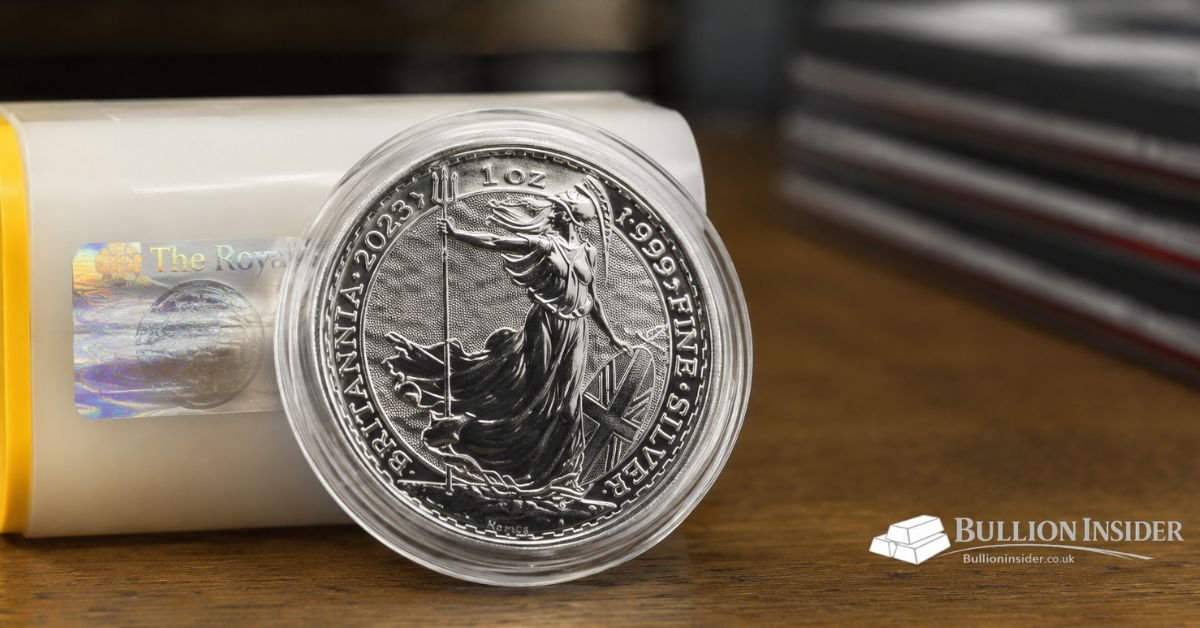
The Silver Britannia is a well-known British bullion coin produced by The Royal Mint. Modern 1 oz bullion versions are struck in 999 fine silver and contain one troy ounce of pure silver. Before you sell silver britannia, confirming these specifications is a useful first step. The 2026 1 oz bullion coin has a £2 denomination, a diameter of 38.61 mm and four security features, including micro-text, a latent image, tincture lines and surface animation.
Britannia coins are recognised for their familiar design featuring the figure of Britannia, a shield, an olive branch and a trident. The combination of precious-metal content and recognisable British design has helped make the coin popular with bullion investors.
It is important to remember that the denomination is not the same as the market value. A £2 denomination does not mean that a 1 oz silver Britannia is normally sold for £2. Its bullion value is linked primarily to the silver it contains and the conditions of the precious-metals market.
How Much Is a Silver Britannia Worth?
There is no single permanent selling price for a Silver Britannia. The value changes as the international silver price moves, while individual dealers may offer different buyback rates.
A useful starting point is the silver spot price. If silver rises, the underlying metal value of a 1 oz Britannia generally rises as well. If silver falls, the opposite can happen. However, a dealer’s purchase offer is not necessarily identical to the spot value.
When you sell silver britannia, you are normally receiving a dealer’s buyback price rather than the retail price that a consumer would pay for a newly minted coin. Retail prices can include manufacturing, distribution, storage, insurance and dealer margins. The Royal Mint explains that bullion products are sold above the raw metal price because premiums cover costs such as refining, minting, quality checking and merchandising.
This difference is one of the most important points for sellers to understand. Comparing your original purchase price with a dealer’s buyback offer is not always a useful way to judge whether the offer is fair. A better comparison is the current silver market, the coin’s specifications and competing buyback quotations.
What Affects the Silver Britannia Selling Price?
Several factors can influence the amount a buyer is prepared to pay.
Silver Market Price
The live silver price is the foundation of most bullion valuations. Because silver trades continuously in international markets, the value can change from one day to another and sometimes within the same trading session.
Coin Weight and Purity
A standard modern 1 oz bullion Britannia contains one troy ounce of 999 fine silver. Weight and fineness are important because they establish how much precious metal the buyer is purchasing.
Coin Type
Not every Britannia should be valued in the same way. A normal bullion coin is generally bought and sold according to its metal content and market premium. A proof coin, commemorative issue or limited-edition release may have additional collector value.
The Royal Mint’s 2026 1 oz Silver Proof Britannia, for example, is a separate product from the standard bullion coin. It is struck to proof quality and has a limited mintage, so a collector may assess it differently from an ordinary bullion piece.
Year and Rarity
The year on a Britannia can matter. Most modern bullion examples are primarily valued for their silver content, but particular dates, varieties or low-mintage issues may attract additional interest.
Condition
Condition can matter more for proof and collectible coins than for ordinary bullion. A standard bullion coin does not necessarily need to look perfect to have strong metal value, but severe damage, unusual marks or signs of tampering can affect a buyer’s assessment.
Authenticity
A reputable dealer will want to establish that a coin is genuine. This is especially important when you sell silver britannia through an unfamiliar buyer. Weight, dimensions, appearance and other characteristics can be checked during the buying process. Modern Britannias also incorporate security features designed to make counterfeiting more difficult.
Where Can You Sell Silver Britannia Coins?
There are several possible routes, and each has advantages and disadvantages.
Specialist Bullion Dealers
A specialist bullion dealer is often the most straightforward option for standard Britannia coins. If you sell silver britannia regularly, comparing specialist dealers can also help you understand typical market spreads.
These businesses are familiar with precious metals and normally have established procedures for quoting, receiving, testing and paying for bullion.
Coin Dealers
A traditional coin dealer may be worth considering if your Britannia is older, unusual or potentially collectible. Their knowledge can be particularly useful when a coin’s value may extend beyond its raw silver content.
Online Precious-Metal Buyers
Online buyers can make the process convenient. You may be able to request a quote, send your coins securely and receive payment after the buyer has inspected them.
Before choosing this route, check the company’s buying terms, delivery instructions, insurance arrangements and payment conditions.
Private Sales
Selling directly to another individual may appear attractive because there is no traditional dealer margin, but there are additional considerations. You need to think about payment security, authenticity, shipping, meeting arrangements and the possibility of disputes.
For many sellers, the convenience and established procedures of a professional bullion or coin dealer may be preferable to handling a private transaction.
How to Get a Better Offer
Getting the best price does not necessarily mean finding the highest advertised figure on the first website you visit. The same principle applies whenever you sell silver britannia: compare the final amount rather than relying on a headline figure.
First, identify the exact coin and its weight. Then check the current silver market and obtain quotations from more than one buyer. Ask whether the quoted amount is the final payment or whether fees, postage, testing charges or other deductions may apply.
It is also worth checking how long the quoted price remains valid. Precious-metal prices can move quickly, so a quotation that looks attractive at one point may not represent the same market position later.
A useful comparison is the dealer’s offer against the current value of the silver contained in the coin. This does not mean a buyer must pay the exact spot value. Dealers have operating costs and need a margin when buying and reselling precious metals. The important point is understanding the difference.
It is also sensible to keep records of what you own. If you have several coins, make a simple inventory showing the year, type, quantity and approximate condition. Keep purchase records where available, particularly if the coins form part of a larger investment.
Bullion Britannia vs Proof Britannia
One of the easiest mistakes is assuming that every Silver Britannia has the same value.
Bullion coins are primarily designed for investment and are normally traded with reference to their precious-metal content. Proof coins are made to a higher presentation standard and are often issued in limited quantities. Their value can therefore include a collector premium.
For example, the 2026 1 oz Silver Proof Britannia is a 999 fine silver coin with a limited edition, while the standard 2026 bullion version is produced as a bullion investment product. The two should not automatically be compared using the same buyback calculation.
If you have a proof coin, original presentation packaging, a certificate, a limited mintage or an unusual issue, it may be worth asking a specialist coin dealer for an additional opinion before accepting a straightforward bullion offer.
Does the Age of a Britannia Matter?
Older Britannias deserve a little extra attention. The specifications of the series have changed over time, so it is not safe to assume that every 1 oz Britannia has exactly the same composition simply because the coins look similar.
Modern 1 oz Silver Britannias are 999 fine silver. Some earlier Britannia issues used a different fineness, so checking the date and specifications is worthwhile.
The age of a coin alone does not automatically make it rare or valuable. A common older bullion coin can still trade mainly according to its silver content. However, unusual varieties, scarce dates and collector-focused releases may attract different prices.
Should You Clean Your Silver Britannia?
Generally, cleaning a coin before selling it is not a good idea. Polishing, abrasive products or aggressive chemical cleaning can leave scratches or alter the original surface.
For ordinary bullion, the metal content remains the main consideration, but unnecessary cleaning can make a coin less attractive to collectors. If a coin is already in a protective capsule, it is usually better to leave it there unless a dealer specifically asks for another form of inspection.
A natural surface is usually preferable to a coin that has been heavily polished. If you are uncertain about the condition, let the buyer or a qualified coin specialist assess it rather than attempting to improve its appearance yourself.
What Happens When You Sell a Silver Britannia?
The process is usually straightforward.
First, the buyer identifies the coin and confirms the quantity. The current buyback price is then calculated according to the market and the buyer’s pricing policy.
If the sale is being completed remotely, the coins are sent to the buyer using the required delivery method. Once received, they may be checked for weight, authenticity, condition and other relevant characteristics.
The final payment is then made according to the agreed terms. Some buyers may lock a price before receiving the coins, while others may determine the final amount after inspection. Always read the terms carefully so you understand when the price becomes fixed.
If you are sending valuable coins through the post, pay particular attention to the buyer’s packaging and insurance requirements. Using the wrong delivery method can create unnecessary risk.
UK Tax Considerations
Tax treatment is an area where sellers should avoid assumptions. GOV.UK explains that Capital Gains Tax can apply to certain personal possessions, including coins, but UK rules contain specific exemptions and conditions.
HMRC guidance states that sterling currency is generally not a chargeable asset and specifically identifies Britannia gold coins as sterling currency. However, sellers should not automatically extend a tax conclusion about gold Britannias to every silver product or every situation without checking the current rules.
If the tax position could materially affect a large sale, obtain advice from a qualified UK tax professional and check the latest HMRC guidance. Tax rules can change, and the treatment can depend on the precise coin, how it was acquired, ownership circumstances and the nature of the disposal.
Common Mistakes to Avoid
One common mistake is accepting the first offer without comparison. People who sell silver britannia without checking several quotations may miss meaningful differences between buyers.
Another is confusing retail price with buyback price. The amount a dealer charges a buyer for a new coin and the amount that dealer is willing to pay when purchasing a used coin are two different figures.
Sellers should also avoid assuming that the face value tells them what the coin is worth. The £2 denomination is not a realistic measure of the bullion market value of a modern 1 oz Britannia.
Do not overlook proof or collectible coins, either. If an issue has limited mintage or unusual characteristics, a basic bullion quotation may not tell the whole story.
Finally, be cautious with vague offers. A transparent buyer should be able to explain how its quotation is calculated and whether any deductions will be made.
Is Now a Good Time to Sell?
There is no universal answer. Whether selling is sensible depends on why you own the coins, the price you paid, your financial objectives and your expectations for silver.
If you need liquidity, selling may make sense even if the market could move higher later. If you are investing for the long term, you may prefer to hold your coins rather than react to short-term movements.
Instead of trying to predict the perfect selling day, consider your own target price and compare the available buyback offers with the current market. This can make the decision more practical and less dependent on short-term market noise.
Another approach is to decide in advance what return or price level would make you comfortable selling. Having a clear plan can reduce the temptation to make a rushed decision based on a sudden market move.
Final Thoughts
Selling a Silver Britannia is relatively simple once you understand what determines its value. The key is to look beyond the face value and consider the silver content, live market conditions, coin type, age, authenticity and the buyer’s margin.
If you want to sell silver britannia confidently, identify the exact coin first, check current market conditions, compare several reputable buyers and read the terms before committing. Standard bullion coins can often be valued quite directly, while proof, limited-edition and unusual examples may deserve a more detailed assessment.
The most important principle is comparison. If you plan to sell silver britannia, taking time to compare the coin, market conditions and buyer terms can make the process much clearer.
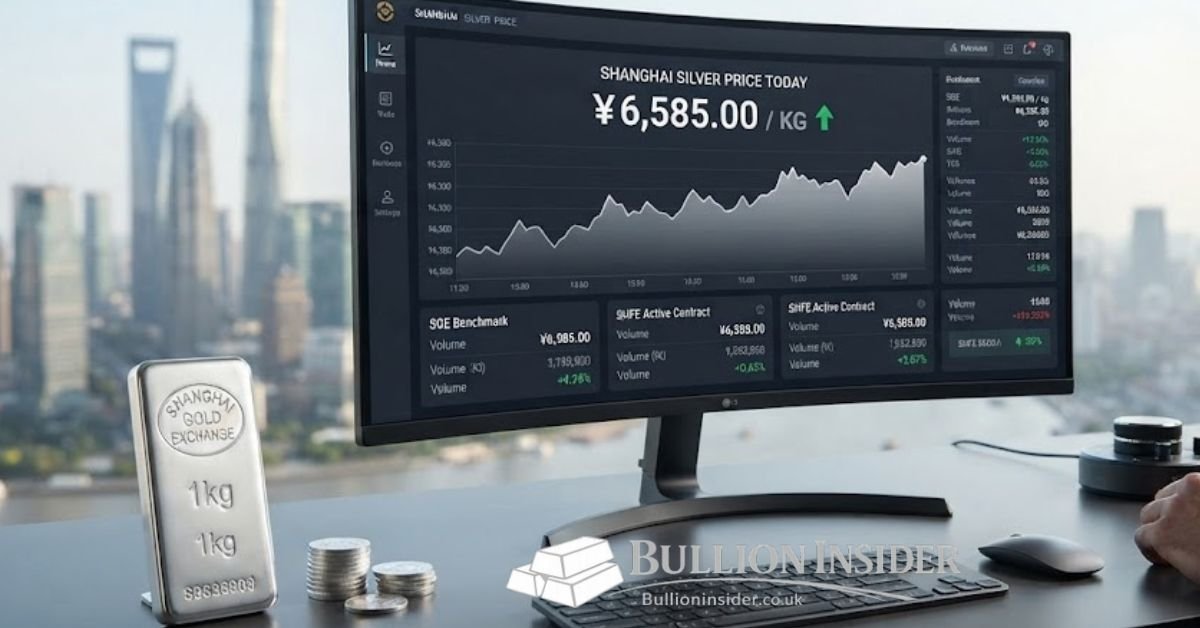
When discussing silver market movements: Silver Price Today: Understanding China’s Silver Market
FAQs
How much is a 1 oz Silver Britannia worth?
Its value changes with the silver market and the buyer’s current buyback rate.
The coin’s type, year and condition can also affect the offer.
Where can I sell Silver Britannia coins?
Specialist bullion dealers, coin dealers and established online precious-metal buyers are common options.
Compare their final offers and selling terms before choosing one.
Are all Silver Britannias worth the same?
No. Bullion, proof, limited-edition and older Britannias can have different values.
Some may also attract collector premiums.
Should I clean my Silver Britannia before selling?
It is generally better not to clean or polish it.
Abrasive cleaning can damage the surface and may reduce collector appeal.
Does silver price affect Britannia value?
Yes. A modern 1 oz Britannia contains one troy ounce of fine silver, so changes in the silver market are an important part of its underlying value.