Search Intent Analysis
People searching for “troy ounce vs ounce” usually want to understand the difference between these two units of measurement. Many are buying gold or silver, investing in precious metals, or trying to understand why bullion products are measured differently from everyday items. They are looking for a simple explanation, accurate conversions, practical examples, and guidance on avoiding costly mistakes.
Article Outline
- Introduction
- What Is an Ounce?
- What Is a Troy Ounce?
- Troy Ounce vs Ounce: Key Differences
- Comparison Table
- History of the Troy Weight System
- Why Precious Metals Use Troy Ounces
- Where Standard Ounces Are Used
- How Troy Ounces Work in Precious Metal Trading
- Practical Examples
- Common Misunderstandings
- FAQs
- Key Takeaways
- Conclusion
Troy Ounce vs Ounce
Although they share the word “ounce,” a troy ounce and a standard ounce are not the same measurement. This difference is especially important when buying gold, silver, platinum, or palladium.
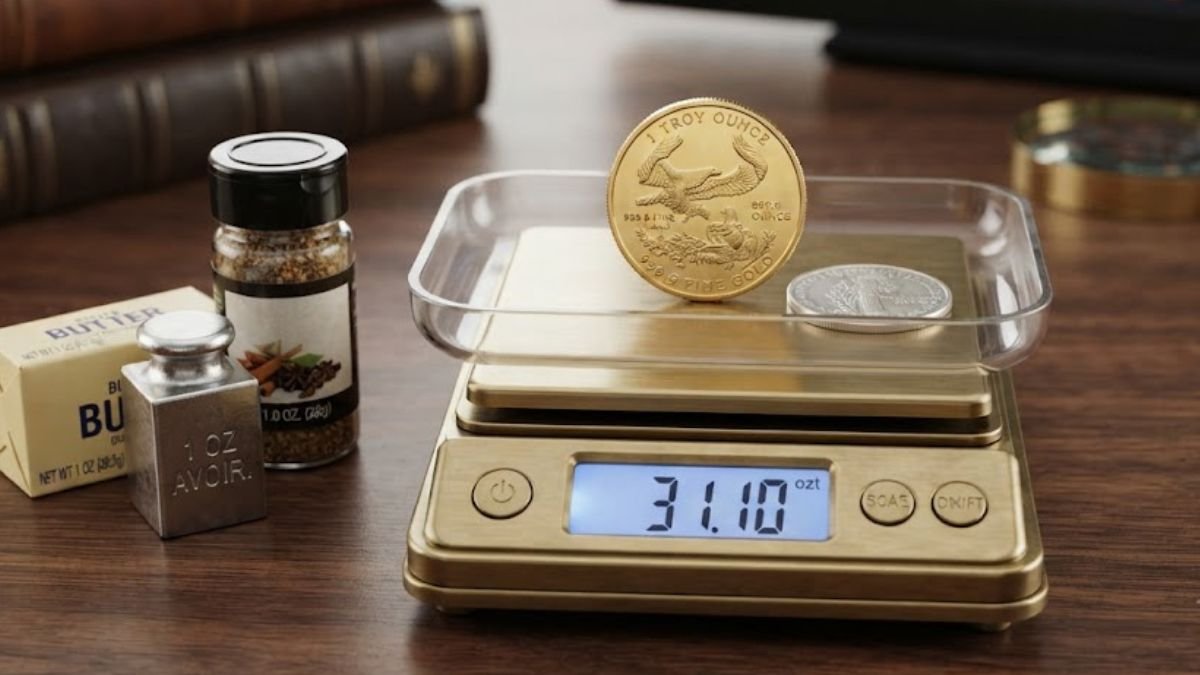
A standard ounce is used for everyday products such as food, household items, and shipping. A troy ounce, on the other hand, is the international standard for weighing precious metals.
Confusing the two can lead to misunderstanding product weights or precious metal prices. Whether you’re investing in bullion, collecting coins, or simply curious about measurements, knowing the distinction can help you make better decisions.
What Is an Ounce?
A standard ounce belongs to the avoirdupois system, the measurement system used in countries such as the United States for most everyday goods.
One standard ounce weighs exactly:
28.349523125 grams
This is the measurement you’ll see on products like:
- Packaged foods
- Beverages
- Clothing
- Household goods
- Postal packages
- Consumer products
There are 16 standard ounces in one avoirdupois pound, making it the most familiar weight system for everyday use.
What Is a Troy Ounce?
A troy ounce is a unit of mass specifically used for precious metals.
One troy ounce weighs exactly:
31.1034768 grams
It is approximately 9.7% heavier than a standard ounce.
The troy ounce is used worldwide for pricing and trading:
- Gold
- Silver
- Platinum
- Palladium
When financial news reports that gold has reached a certain price “per ounce,” the price almost always refers to one troy ounce.
Also Read: Central Bank Gold Purchases 2026: Latest Trends, Data, and Global Reserve Updates
Troy Ounce vs Ounce: The Main Differences
Although both measurements are called ounces, they belong to completely different weight systems.
| Feature | Troy Ounce | Standard Ounce |
|---|---|---|
| Weight | 31.1034768 grams | 28.349523125 grams |
| Measurement System | Troy | Avoirdupois |
| Primary Use | Precious metals | Everyday products |
| Grains | 480 | 437.5 |
| Ounces Per Pound | 12 | 16 |
| Used By | Bullion dealers, mints, investors | Retailers, grocery stores, shipping companies |
The difference may seem small, but when purchasing valuable metals, even a few grams can represent a significant amount of money.
Why Is a Troy Ounce Heavier?
The troy system and the avoirdupois system developed independently and were created for different purposes.
The troy system was designed for valuable materials where precise measurement was essential. Precious metals, gemstones, and certain pharmaceuticals historically required greater accuracy in trade.
Because of this historical development, one troy ounce contains:
480 grains
A standard ounce contains:
437.5 grains
The grain is one of the oldest units of mass and remains identical across both systems.
History of the Troy Weight System
The origins of the troy weight system date back to medieval Europe.
Many historians believe the name comes from Troyes, France, an important trading center where merchants from across Europe gathered to exchange valuable goods. Standardized weights were essential for fair commerce, especially for gold and silver.
By the early sixteenth century, England officially adopted the troy system for precious metals. The system later became the standard used by mints, refiners, and bullion markets around the world.
Despite advances in modern measurement technology, the troy ounce remains the global standard because it provides consistency across international markets.
Why Precious Metals Use Troy Ounces
Precious metals have high value relative to their weight. A small difference in measurement can significantly affect pricing.
Using one internationally recognized standard allows buyers and sellers around the world to trade with confidence.
Gold bars produced in Switzerland, silver coins minted in Canada, platinum bars from South Africa, and bullion sold in the United States are all commonly measured in troy ounces.
This universal standard helps ensure:
- Accurate pricing
- Consistent international trading
- Fair comparisons between products
- Reliable market quotations
Without a common measurement system, comparing bullion prices across countries would be far more difficult.
Where Standard Ounces Are Used
The standard ounce remains the preferred measurement for everyday commerce.
Common examples include:
- Grocery products
- Coffee
- Meat
- Cheese
- Snacks
- Household goods
- Shipping parcels
- Consumer packaging
For example, a bag of coffee labeled 12 oz refers to 12 standard ounces, not 12 troy ounces.
Likewise, food nutrition labels and postal services use the standard ounce.
How Troy Ounces Work in Precious Metal Trading
When investors buy bullion, the product’s weight is almost always listed in troy ounces.
Examples include:
- 1 Troy Ounce Gold Coin
- 1 Troy Ounce Silver Bar
- 10 Troy Ounce Silver Bar
- 100 Troy Ounce Silver Bar
If gold is trading at $3,500 per ounce, that price refers to one troy ounce, not a standard ounce.
This distinction is important because using the wrong measurement would produce incorrect valuations.
Bullion dealers, commodity exchanges, refineries, and government mints all use troy ounces when listing product weights and market prices.
Practical Examples
Understanding the difference becomes much easier with real-world examples.
Example 1: Buying Gold
You purchase a one-ounce gold coin.
The listed weight is:
1 Troy Ounce = 31.103 grams
Not:
28.35 grams.
Example 2: Buying Silver
A silver bar advertised as 10 oz by a bullion dealer weighs:
10 Troy Ounces = 311.03 grams
It does not weigh 283.5 grams.
Example 3: Grocery Shopping
A package of almonds marked 16 oz uses standard ounces.
This equals one standard pound.
It has nothing to do with the troy measurement system.
Example 4: Reading Gold Prices
A news headline says:
Gold rises above $3,400 per ounce.
That quoted ounce always means a troy ounce, which is the international pricing standard for precious metals.
Benefits of Understanding the Difference
Knowing the difference between a troy ounce and a standard ounce can save you from costly mistakes, especially when buying or selling precious metals.
Some key benefits include:
- More informed investment decisions when purchasing gold or silver.
- Accurate price comparisons between bullion products.
- Better understanding of market prices, which are quoted per troy ounce.
- Reduced risk of confusion when reading product descriptions.
- Greater confidence when dealing with bullion dealers and coin shops.
Whether you’re a first-time investor or an experienced collector, understanding the correct unit of measurement is an essential part of precious metal investing.
Drawbacks and Common Sources of Confusion
Although both systems are widely accepted, having two different “ounces” can create confusion.
Common drawbacks include:
- The names are nearly identical, leading many people to assume they weigh the same.
- New investors may accidentally compare bullion weights with food or shipping weights.
- Some online listings simply state “oz” without clearly specifying whether they mean troy ounces or standard ounces.
- Beginners may incorrectly calculate the value of precious metals using the wrong conversion.
Fortunately, reputable bullion dealers clearly label products as troy ounces (ozt) or specify the exact gram weight.
Common Mistakes to Avoid
If you’re buying or selling precious metals, avoid these common errors.
Assuming All Ounces Are Equal
The biggest mistake is believing that every ounce weighs 28.35 grams. Precious metals use the heavier troy ounce.
Ignoring Product Descriptions
Always read the product specifications carefully. Trusted dealers usually list:
- Troy ounces
- Gram weight
- Metal purity
- Dimensions
Comparing Prices Incorrectly
If one product lists its weight in grams and another in troy ounces, convert them to the same unit before comparing prices.
Forgetting That Pounds Differ Too
Many people know that a troy ounce is different, but fewer realize that the pound also differs.
- 1 troy pound = 12 troy ounces
- 1 standard pound = 16 standard ounces
This is another reason not to mix the two systems.
Also Read: 1/10 oz Gold Coin: A Smart Way to Start Investing in Physical Gold
How to Identify Whether an Ounce Is Troy or Standard
In most cases, the product or market determines which unit is being used.
It is almost certainly a troy ounce if you’re dealing with:
- Gold coins
- Silver bars
- Platinum bullion
- Palladium products
- Bullion exchanges
- Spot prices
- Precious metal ETFs (which reference bullion holdings)
It is usually a standard ounce if you’re dealing with:
- Groceries
- Coffee
- Meat
- Postal services
- Household goods
- Consumer packaging
- Shipping weights
When in doubt, check the product description or ask the seller.
Practical Buying Tips for Precious Metal Investors
If you’re planning to invest in bullion, follow these best practices:
Buy from Reputable Dealers
Choose established dealers that clearly state:
- Weight
- Purity
- Mint
- Authentication details
Check the Weight
A genuine one-ounce bullion coin should specify:
1 Troy Ounce (31.103 grams)
Understand Spot Prices
Gold and silver prices quoted on financial websites are based on one troy ounce.
Knowing this helps you compare dealer premiums more accurately.
Learn Metric Conversions
Many refineries and international dealers also list weights in grams.
Knowing that:
1 Troy Ounce = 31.103 grams
makes it easier to compare products from different countries.
Troy Ounce vs Ounce: Which One Should You Use?
The answer depends entirely on what you’re measuring.
Use a troy ounce when measuring:
- Gold
- Silver
- Platinum
- Palladium
- Bullion coins
- Precious metal bars
Use a standard ounce when measuring:
- Food
- Drinks
- Packages
- Household products
- Everyday consumer goods
Neither system is better than the other—they simply serve different purposes.
FAQs
Is a troy ounce heavier than a regular ounce?
Yes. A troy ounce weighs 31.1034768 grams, while a standard ounce weighs 28.349523125 grams.
Why is gold measured in troy ounces?
The global precious metals industry adopted the troy system centuries ago because it provides a consistent standard for trading valuable metals.
Are silver coins measured in troy ounces?
Yes. Investment-grade silver coins and bullion bars are typically weighed in troy ounces.
Does jewelry use troy ounces?
Bullion products are almost always measured in troy ounces. Finished jewelry, however, is often sold by weight in grams, depending on the country and retailer.
Why doesn’t the United States use troy ounces for everything?
The United States uses the avoirdupois system for most commercial goods because it is the standard measurement system for everyday trade. The troy system has been retained specifically for precious metals.
Is a one-ounce gold coin exactly one ounce?
Yes—but it is one troy ounce, not one standard ounce. The total weight of the coin may be slightly higher if alloy metals are added for durability, while the gold content remains one full troy ounce.
How many grams are in one troy ounce?
Exactly 31.1034768 grams.
Can I use a kitchen scale to weigh gold?
A digital kitchen scale can measure weight, but it may not provide the precision required for valuable bullion. A calibrated jewelry or precision scale is generally more suitable.
Key Takeaways
- A troy ounce and a standard ounce are different units of measurement.
- One troy ounce equals 31.1034768 grams.
- One standard ounce equals 28.349523125 grams.
- Precious metals are traded and priced using troy ounces.
- Everyday consumer goods are measured using standard ounces.
- Gold, silver, platinum, and palladium markets rely on the troy system worldwide.
- Understanding the difference helps investors compare prices accurately and avoid costly mistakes.
Conclusion
Understanding the difference between a troy ounce vs ounce is essential for anyone interested in precious metals, investing, or even basic measurements. While the two units share the same name, they belong to different systems and represent different weights. A troy ounce, at 31.1034768 grams, is the internationally recognized standard for gold, silver, platinum, and palladium, while the standard ounce, at 28.349523125 grams, is used for everyday goods such as food and household products.
For investors, collectors, and buyers, recognizing this distinction ensures accurate pricing, fair comparisons, and informed purchasing decisions. Whenever you see the price of gold or silver quoted “per ounce,” remember that it refers to a troy ounce. By understanding when each measurement system applies, you can navigate both everyday shopping and precious metal markets with greater confidence and accuracy.
Also Read: 14k Gold Price Per Gram Today: Current Value, Price Factors, and What Buyers Should Know