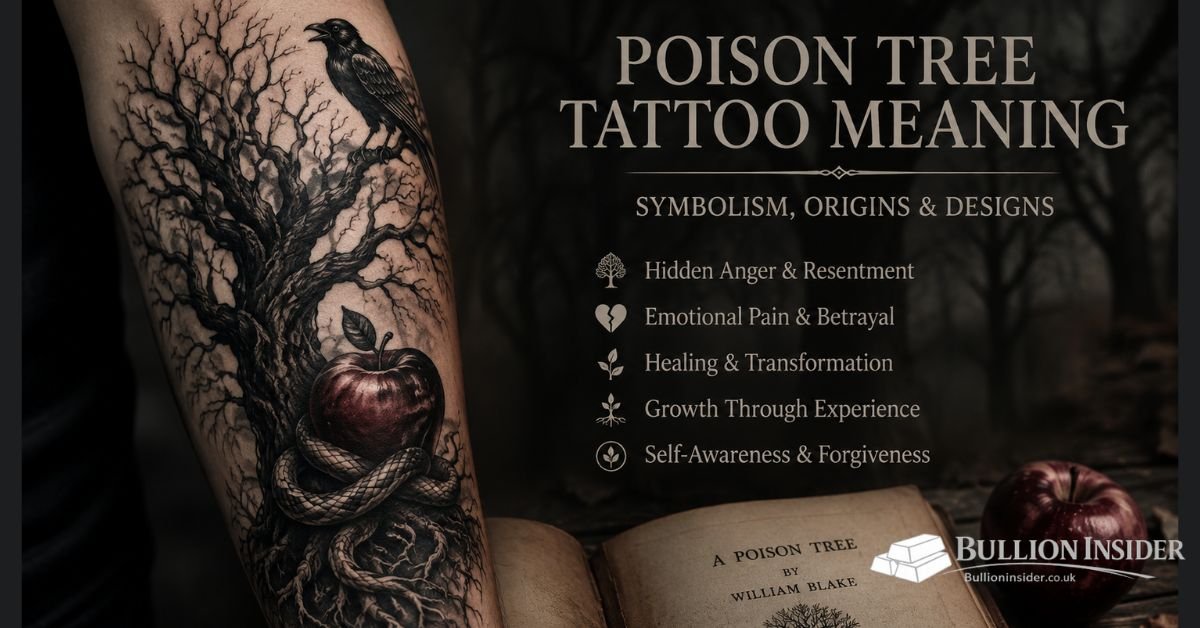
Choosing a meaningful tattoo is about more than finding an attractive design. Every tattoo tells a story, reflects a personal experience, or represents an important belief. Among the many symbolic tattoo designs available today, the poison tree tattoo meaning has gained attention for its emotional depth and literary background. Rather than representing danger alone, this design often symbolizes hidden emotions, personal transformation, forgiveness, emotional struggles, and the consequences of unresolved anger.
Many people are drawn to this tattoo because it encourages reflection. It reminds the wearer that emotions, whether positive or negative, shape personal growth. Some choose the design after overcoming difficult relationships, while others see it as a reminder to let go of resentment before it grows into something destructive. Thanks to its rich symbolism and artistic flexibility, this tattoo has become a meaningful choice for both men and women.
This guide explores the poison tree tattoo meaning in detail, including its literary origins, emotional symbolism, spiritual interpretations, tattoo styles, placement ideas, and design inspirations.
What Is a Poison Tree Tattoo?
A poison tree tattoo is a symbolic design inspired primarily by William Blake’s famous poem “A Poison Tree,” published in 1794 as part of his collection Songs of Experience. In the poem, Blake compares hidden anger to a tree that grows stronger over time until it eventually produces poisonous fruit.
Unlike ordinary tree tattoos that symbolize life, family, or growth, this design focuses on emotional consequences. The tree becomes a metaphor for feelings that are ignored instead of expressed. Over the years, tattoo artists and enthusiasts have expanded its meaning beyond literature, making it a symbol of healing, self-awareness, emotional resilience, and personal transformation.
Today, the poison tree tattoo meaning varies depending on the individual. For some, it represents surviving emotional pain. For others, it serves as a reminder to communicate honestly instead of allowing negative emotions to grow unchecked.
The Literary Origin Behind the Design
The strongest inspiration for this tattoo comes from William Blake’s poem. The poem tells the story of someone who hides feelings of anger rather than discussing them openly. As these emotions remain buried, they continue growing until they eventually lead to tragic consequences.
The tree in the poem is symbolic rather than literal. It represents how resentment can develop when left unresolved. The poisonous fruit symbolizes the harmful outcomes that often follow hidden bitterness.
Many literature lovers choose this tattoo because it reflects one of Blake’s most memorable lessons: emotions should be understood and addressed before they become destructive.
Poison Tree Tattoo Meaning Explained
The poison tree tattoo meaning goes far beyond the image of a dark tree. It represents emotional experiences that many people encounter throughout life.
Common interpretations include:
- Hidden anger
- Emotional pain
- Personal growth
- Forgiveness
- Betrayal
- Revenge
- Healing
- Self-awareness
- Emotional maturity
- Acceptance
Although these themes may appear negative at first, the tattoo often carries a hopeful message. Many wearers see it as proof that they have moved beyond difficult experiences and learned valuable lessons from them.
Rather than celebrating anger, the design encourages emotional honesty and personal reflection.
Symbolism of Hidden Anger
One of the strongest meanings associated with this tattoo is suppressed anger.
Everyone experiences disappointment, betrayal, or frustration. However, when these emotions remain hidden instead of being expressed in healthy ways, they may continue growing internally.
The poison tree reminds us that ignored emotions rarely disappear on their own. Instead, they often affect relationships, mental health, and personal happiness.
For many tattoo enthusiasts, this symbolism serves as a daily reminder to communicate openly and honestly.
A Symbol of Emotional Healing
Not every poison tree tattoo represents darkness.
Many people choose the design after overcoming difficult chapters in their lives. Emotional healing often involves acknowledging painful memories while refusing to let them define the future.
The tree can symbolize:
- Recovering from heartbreak
- Healing after betrayal
- Leaving toxic relationships
- Moving beyond childhood trauma
- Finding emotional balance
- Learning forgiveness
This hopeful interpretation has made the poison tree tattoo meaning especially meaningful for people who value resilience.
Spiritual Meaning of a Poison Tree Tattoo
Spiritually, trees often symbolize growth, wisdom, and life’s journey.
A poison tree adds another layer of meaning by representing inner struggles that eventually lead to transformation.
Its spiritual symbolism may include:
- Letting go of resentment
- Accepting personal flaws
- Inner growth
- Emotional awakening
- Self-discovery
- Breaking unhealthy cycles
- Learning compassion
- Developing emotional wisdom
Instead of focusing on punishment, many spiritual interpretations emphasize healing through self-awareness.
Psychological Interpretation
Psychologists often discuss the importance of acknowledging emotions rather than suppressing them.
Although tattoo meanings remain personal, many people connect this design with emotional intelligence and mental well-being.
The poison tree tattoo meaning may reflect experiences such as:
- Anxiety
- Depression recovery
- Emotional resilience
- Personal reflection
- Self-control
- Managing difficult emotions
- Building healthier relationships
Because of these associations, the tattoo often becomes a personal reminder of emotional strength.
Connection to Biblical Symbolism
Some tattoo designs intentionally resemble the Tree of Knowledge found in biblical tradition.
This comparison introduces additional meanings such as:
- Temptation
- Moral choices
- Consequences
- Human nature
- Wisdom gained through experience
While William Blake’s poem is separate from the biblical story, both use trees as symbols of human behaviour and personal responsibility.
Some tattoo designs also include an apple to reinforce this symbolic connection.
Why People Choose This Tattoo
Every tattoo tells a different story.
Some choose this design because they appreciate classic literature. Others simply connect with its emotional symbolism.
Common reasons include:
- Remembering a difficult life lesson
- Honouring personal growth
- Representing emotional healing
- Expressing resilience
- Celebrating self-awareness
- Appreciating literary symbolism
- Creating meaningful body art
Because every experience is unique, no two poison tree tattoos carry exactly the same meaning.
Popular Design Elements
Tattoo artists often personalise this design using symbolic details.
Popular additions include:
Poison Apple
The apple often represents temptation, consequences, hidden danger, or emotional choices.
Raven
A raven may symbolize mystery, wisdom, transformation, or life’s darker experiences.
Snake
The snake can represent renewal, deception, survival, knowledge, or personal change.
Skull
A skull reminds the wearer of mortality, endings, and life’s temporary nature.
Dead Branches
Bare branches often symbolize emotional hardship before renewal begins.
Deep Roots
Strong roots represent resilience, stability, and the ability to survive difficult seasons.
Each element adds another layer of personal meaning to the overall tattoo.
Popular Tattoo Styles
One reason this design remains popular is its versatility.
Popular artistic styles include:
Blackwork
Bold black ink creates dramatic contrast while emphasizing the tattoo’s darker symbolism.
Fine Line
Minimalist lines produce an elegant design with subtle emotional depth.
Realism
Highly detailed trees, apples, birds, and roots create visually striking artwork.
Gothic
Dark shading, ravens, twisted branches, and mysterious backgrounds produce a dramatic appearance.
Illustrative
Inspired by storybook artwork, illustrative tattoos combine artistic creativity with symbolic storytelling.
Geometric
Geometric patterns create a modern interpretation while preserving traditional symbolism.
Best Tattoo Placements
Placement often changes how the tattoo is viewed.
Popular locations include:
- Forearm
- Upper arm
- Sleeve
- Shoulder
- Chest
- Back
- Ribcage
- Thigh
- Calf
Larger placements allow artists to include additional elements such as ravens, apples, roots, or meaningful quotes.
Poison Tree Tattoo vs Tree of Life Tattoo
Although both feature trees, their meanings differ significantly.
| Poison Tree Tattoo | Tree of Life Tattoo |
|---|---|
| Emotional struggle | Growth and balance |
| Hidden anger | Family and connection |
| Personal healing | Harmony |
| Transformation | Wisdom |
| Consequences | New beginnings |
Understanding these differences helps people choose the design that best reflects their personal story.
Poison Tree Tattoo vs Dead Tree Tattoo
These designs also share similarities but express different emotions.
A dead tree tattoo often symbolizes endings, loss, loneliness, or the passage of time.
A poison tree tattoo usually focuses on emotional choices, hidden resentment, healing, and personal transformation rather than simply representing death or sadness.
Is This Tattoo Suitable for Everyone?
There is no single type of person who chooses this design.
It appeals to:
- Literature enthusiasts
- Tattoo collectors
- People overcoming personal challenges
- Individuals seeking meaningful symbolism
- Fans of gothic artwork
- People interested in emotional wellness
- Creative artists
Its flexibility allows every wearer to create a deeply personal interpretation.
Things to Consider Before Getting One
Before choosing this tattoo, think carefully about what message you want it to represent.
Consider:
- Your personal connection to its symbolism
- Whether you want literary references included
- Preferred tattoo style
- Size and placement
- Additional symbolic elements
- Long-term meaning
Working with an experienced tattoo artist ensures the final design reflects your individual story rather than simply copying an existing image.
Final Thoughts
The poison tree tattoo meaning is far richer than its name suggests. Inspired by William Blake’s timeless poem, it explores the effects of hidden emotions while encouraging self-awareness, healing, forgiveness, and personal growth. Whether it represents overcoming betrayal, learning from life’s challenges, or embracing emotional resilience, this tattoo offers a deeply personal message that continues to resonate across generations.
Its symbolism can be adapted in countless artistic styles, making it suitable for anyone seeking meaningful body art rather than simple decoration. By understanding the history and significance behind the design, you can choose a tattoo that reflects not only your experiences but also the lessons that have shaped your journey.
Also Read: Alastin Skincare: An Expert Guide to Healthier, Firmer, and More Radiant Skin
FAQs
What does a poison tree tattoo mean?
It usually symbolizes hidden anger, emotional healing, personal growth, and the consequences of unresolved emotions.
Is a poison tree tattoo based on a poem?
Yes. The design is widely inspired by William Blake’s poem “A Poison Tree,” which uses a tree as a metaphor for concealed resentment.
Does the tattoo always have a negative meaning?
No. Many people choose it to represent healing, resilience, forgiveness, and emotional maturity after overcoming difficult experiences.
What symbols are commonly added to a poison tree tattoo?
Popular additions include apples, ravens, snakes, skulls, roots, and bare branches to enhance the tattoo’s personal symbolism.
Where is the best place for a poison tree tattoo?
The forearm, sleeve, shoulder, chest, and back are popular choices because they provide enough space for detailed artwork.