Healthy, shiny hair isn’t just about genetics—it starts with using products that match your hair type and scalp. With thousands of shampoos, conditioners, masks, serums, and treatments available, it’s easy to feel overwhelmed by marketing claims that promise instant results. In reality, the right routine is built on understanding your hair’s unique needs rather than buying the most expensive products on the shelf.
If you’ve ever wondered why a shampoo works perfectly for someone else but leaves your hair dry or greasy, the answer often lies in choosing products that don’t suit your hair type. Whether you have straight, curly, coily, colour-treated, fine, or damaged hair, selecting the right combination of products can improve moisture, reduce breakage, control frizz, and keep your scalp healthy.
This guide explores the best hair care products for different hair types, explains how to choose shampoos, conditioners, and treatments wisely, and shares practical advice inspired by dermatologist recommendations and modern hair-care best practices. By the end, you’ll know exactly what to look for, what to avoid, and how to build a routine that supports healthier, stronger hair in 2026 and beyond.
Why Choosing the Right Hair Care Products Matters
Your hair faces daily challenges from pollution, UV exposure, humidity, brushing, heat styling, colouring, and chemical treatments. Over time, these factors can damage the hair cuticle—the outer protective layer of each strand. When this happens, hair may become dry, rough, tangled, and more likely to break.
Using the best hair care products for your specific hair type helps minimise these issues by cleansing the scalp effectively, maintaining moisture, reducing friction between hair strands, and protecting against everyday damage. Consistent use of suitable products can also improve softness, shine, and manageability without relying on temporary fixes.
A healthy scalp is just as important as healthy hair. Excess oil, dryness, dandruff, or product buildup can affect how your hair looks and feels. That’s why experts often recommend treating the scalp as an extension of your skin and choosing products based on both scalp condition and hair texture.
Instead of following every new trend, focus on products with proven ingredients and realistic benefits. A simple, consistent routine often produces better long-term results than frequently switching between products.
Understanding Your Hair Type Before Buying Products
One of the biggest reasons people are disappointed with hair products is that they choose them based on popularity rather than compatibility. The same shampoo or conditioner won’t work equally well for every person because hair differs in texture, thickness, oil production, and porosity.
Before buying new products, identify your hair type and your biggest concern, whether it’s dryness, frizz, breakage, oiliness, or colour protection.
Straight Hair
Straight hair usually distributes natural scalp oils more easily, which means it often becomes oily faster than curly or coily hair.
People with straight hair typically benefit from:
- Lightweight shampoos
- Volumising conditioners
- Weightless leave-in sprays
- Occasional clarifying shampoos to remove buildup
Avoid applying heavy creams or oils near the roots, as they can reduce volume and leave hair looking greasy.
Wavy Hair
Wavy hair sits between straight and curly textures. It often needs moisture while remaining prone to frizz, especially in humid weather.
Suitable products include:
- Moisturising shampoos
- Lightweight conditioners
- Curl-enhancing creams
- Anti-frizz serums
- Leave-in conditioners
These products help define natural waves without making them stiff or heavy.
Curly Hair
Curly hair tends to lose moisture more quickly because natural oils travel less easily along the hair shaft. It also experiences more friction, making gentle care essential.
Many people with curly hair achieve better results with:
- Sulfate-free shampoos
- Rich conditioners
- Weekly deep-conditioning masks
- Leave-in conditioners
- Curl creams
- Lightweight nourishing oils
Limiting heat styling and detangling with a wide-tooth comb while hair is conditioned can also help reduce breakage.
Coily Hair
Coily or tightly textured hair is generally the driest hair type because its tightly coiled shape makes it difficult for natural oils to reach the ends.
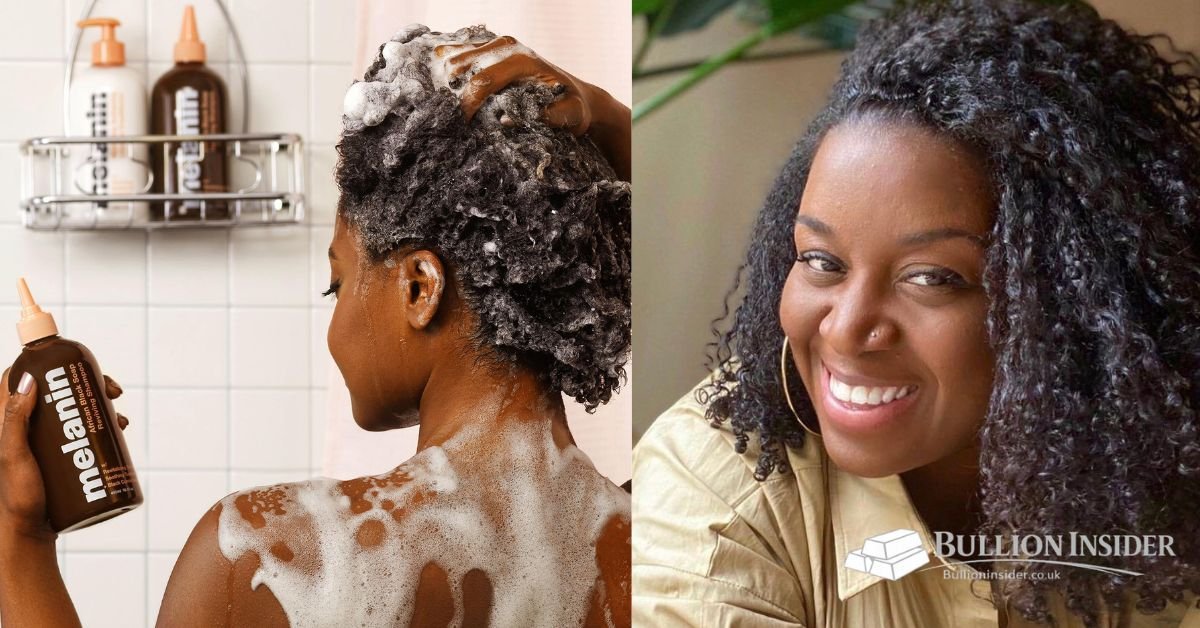
Protective styling and deep hydration are especially important for coily hair. You can also explore Is Melanin Hair Care Worth Trying? A Practical Guide for Curly and Coily Hair for more detailed advice on caring for tightly textured hair.
A moisture-focused routine often includes:
- Hydrating shampoos
- Intensive conditioners
- Deep-conditioning treatments
- Leave-in moisturisers
- Natural oils such as jojoba or argan oil
Protective hairstyles and sleeping on a silk or satin pillowcase may also help minimise friction and moisture loss.
Fine Hair
Fine hair can easily become weighed down by heavy formulas, making it appear flat.
Look for products labelled:
- Lightweight
- Volumising
- Weightless
- Fine-hair friendly
These formulas provide hydration without sacrificing body or movement.
Thick Hair
Thicker hair often benefits from richer conditioning because it can be more difficult for moisture to reach every strand.
People with thick hair may prefer:
- Moisturising shampoos
- Rich conditioners
- Weekly hair masks
- Anti-frizz treatments
- Smoothing serums
Proper hydration helps improve softness while reducing tangles and flyaways.
Hair Type vs Recommended Products
| Hair Type | Best Product Choices | Main Goal |
| Straight | Lightweight shampoo, volumising conditioner, clarifying shampoo | Control oil and maintain volume |
| Wavy | Moisturising shampoo, leave-in conditioner, anti-frizz serum | Enhance waves and reduce frizz |
| Curly | Sulfate-free shampoo, curl cream, deep conditioner | Maintain moisture and define curls |
| Coily | Hydrating shampoo, rich conditioner, nourishing oils | Prevent dryness and breakage |
| Fine | Lightweight shampoo, volumising products | Add body without buildup |
| Thick | Moisturising shampoo, rich conditioner, smoothing serum | Improve softness and manageability |
How Dermatologists Recommend Choosing Hair Products
Dermatologists generally advise choosing hair products based on your scalp condition first, then your hair type. For example, someone with an oily scalp and dry ends may need a balancing shampoo but a richer conditioner applied only to the mid-lengths and ends.
When selecting products, consider these questions:
- Does your scalp become oily within a day or two?
- Is your hair chemically treated or colour-treated?
- Do you frequently use heat styling tools?
- Is your hair fine, thick, curly, or straight?
- Are you dealing with dandruff, irritation, or excessive dryness?
Answering these questions helps narrow your options and prevents buying products based solely on marketing claims.
Common Mistakes When Buying Hair Care Products
Many people spend money on products that don’t suit their hair because they overlook a few basic factors.
Common mistakes include:
- Buying products only because they are trending on social media.
- Choosing products designed for a different hair type.
- Ignoring ingredient labels.
- Expecting instant results after one or two uses.
- Using too many products at once.
- Switching routines before giving products enough time to work.
Hair usually responds best to consistency. Unless a product causes irritation or obvious problems, it’s often worth using it for several weeks before deciding whether it meets your needs.
Essential Hair Care Products Every Routine Should Include
Building an effective routine doesn’t require dozens of products. Most people can maintain healthy hair with a few essentials chosen for their hair type, lifestyle, and concerns. Understanding what each product does makes it easier to avoid unnecessary purchases and create a routine that delivers consistent results.
Shampoo
Shampoo removes sweat, excess oil, dirt, pollution, and styling product buildup from the scalp and hair. A clean scalp creates a healthier environment for hair while preventing buildup that can make hair look dull or feel heavy.
Different shampoos are formulated for different needs:
- Moisturising shampoo for dry or damaged hair
- Volumising shampoo for fine or flat hair
- Clarifying shampoo for occasional deep cleansing
- Colour-safe shampoo for colour-treated hair
- Anti-dandruff shampoo for flakes and scalp irritation
- Sulfate-free shampoo for people who prefer gentler cleansing
Practical example: If you exercise daily or have an oily scalp, a balancing shampoo may work better than an ultra-moisturising formula, which could leave your roots feeling greasy.
Conditioner
Conditioner helps replace moisture lost during cleansing while smoothing the hair cuticle. This reduces tangles, improves shine, and makes hair easier to comb without unnecessary breakage.
For the best results:
- Apply mainly to the mid-lengths and ends.
- Leave it on for the recommended time.
- Rinse thoroughly to avoid residue.
People with very fine hair often benefit from lightweight conditioners, while thick, curly, or coily hair usually responds better to richer formulas.
Deep Conditioning Masks
Hair masks provide intensive conditioning that goes beyond everyday conditioners. They’re particularly useful for hair that feels rough, brittle, or has been exposed to heat or chemical treatments.
A weekly hair mask can help:
- Improve softness
- Reduce dryness
- Increase manageability
- Minimise the appearance of split ends
- Improve elasticity
Using more product doesn’t necessarily produce better results. Follow the recommended application time instead of leaving masks on overnight unless instructed by the manufacturer.
Leave-In Conditioners
Leave-in conditioners continue working after washing by providing lightweight hydration throughout the day.
They’re especially helpful for:
- Curly hair
- Wavy hair
- Dry hair
- Long hair
- Hair that tangles easily
Many leave-in conditioners also help reduce frizz and make detangling easier.
Hair Oils
Hair oils don’t permanently repair damaged hair, but they can reduce friction, improve shine, and help minimise moisture loss.
Popular choices include:
- Argan oil
- Coconut oil
- Jojoba oil
- Rosemary oil
- Avocado oil
Apply only a small amount to the mid-lengths and ends. Overusing oil can make hair appear greasy instead of healthy.
Hair Serums
Hair serums coat the hair shaft, helping smooth flyaways and create a shinier appearance.
Some serums also provide:
- Heat protection
- Humidity resistance
- Frizz control
- Smoother styling
Choose lightweight formulas if your hair becomes oily easily.
Heat Protectants
Heat styling tools can weaken the hair cuticle when used frequently. Heat protectants create a protective layer around the hair strand that helps reduce moisture loss during styling.
If you regularly use:
- Hair dryers
- Straighteners
- Curling irons
- Hot brushes
a heat protectant should be part of your routine before every styling session.
Hair Concern vs Best Ingredients
| Hair Concern | Ingredients to Look For | Why They Help |
| Dry Hair | Glycerin, aloe vera, shea butter | Help attract and retain moisture |
| Frizz | Silicones, argan oil, dimethicone | Smooth the hair surface and reduce flyaways |
| Damaged Hair | Hydrolysed proteins, ceramides, amino acids | Improve the feel and strength of damaged hair fibres |
| Oily Scalp | Salicylic acid, gentle surfactants | Help remove excess oil and buildup |
| Dandruff | Ketoconazole, piroctone olamine, zinc-based anti-dandruff ingredients* | Help control flakes (*availability varies by country) |
| Colour-Treated Hair | Colour-safe cleansers, conditioning agents | Help reduce colour fading |
| Breakage | Panthenol, proteins, conditioning agents | Improve flexibility and reduce mechanical damage |
Ingredients Worth Looking For
Reading ingredient labels can tell you far more than product packaging.
Hydrating Ingredients
These help dry hair hold onto moisture:
- Glycerin
- Aloe vera
- Panthenol
- Hyaluronic acid
- Shea butter
Strengthening Ingredients
Hair that has been coloured, bleached, or heat styled may benefit from:
- Hydrolysed keratin
- Amino acids
- Ceramides
- Rice protein
- Wheat protein
These ingredients improve the condition and feel of damaged hair rather than permanently repairing it.
Nourishing Plant Oils
Natural oils can help improve softness and reduce friction.
Popular examples include:
- Argan oil
- Coconut oil
- Jojoba oil
- Avocado oil
Different oils suit different hair types. Fine hair generally benefits from lighter oils, while thicker hair often tolerates richer formulations.
Scalp Care Ingredients
A healthy scalp supports healthier-looking hair.
Look for ingredients such as:
- Salicylic acid
- Tea tree oil
- Piroctone olamine
- Ketoconazole (medicated products)
- Niacinamide
Ingredients That Aren’t Always Right for Everyone
No ingredient is universally “bad,” but some may not suit every hair type.
Examples include:
Sulfates
Sulfates are effective cleansers, but they may feel too drying for people with very dry, curly, or colour-treated hair.
Heavy Silicones
Silicones help smooth hair and reduce frizz. However, repeated use without occasional clarifying washes may contribute to product buildup for some people.
Drying Alcohols
Certain alcohols can leave hair feeling dry if used frequently, especially on already damaged hair.
Always consider your own hair type before avoiding an ingredient simply because it’s popular to do so.
How to Read Hair Product Labels
Product packaging often highlights marketing terms, but the ingredient list tells a more complete story.
When comparing products:
- Check the first several ingredients, as these make up most of the formula.
- Look for ingredients that match your specific hair concerns.
- Don’t assume “natural” automatically means better or safer.
- Be cautious of exaggerated claims like “repairs all damage overnight.”
- Follow the usage directions for the best results.
Understanding labels helps you buy products based on function rather than advertising.
Signs You’re Using the Wrong Hair Products
Sometimes the problem isn’t your hair—it’s the products you’re using.
Watch for these signs:
- Hair feels greasy shortly after washing.
- Persistent dryness despite conditioning.
- Increased breakage.
- Excessive scalp irritation.
- Hair feels heavy or coated.
- Loss of natural curl pattern.
- Increased frizz after styling.
If these problems continue, consider adjusting your routine one product at a time rather than replacing everything at once.
Professional Products vs Drugstore Products
One of the most common questions is whether salon-quality products are always better than drugstore alternatives.
The answer depends more on formulation than price.
Professional products often contain specialised conditioning systems and are developed for particular hair concerns. However, many affordable brands also produce high-quality shampoos and conditioners that perform exceptionally well for everyday use.
Instead of focusing only on cost, consider:
- Your hair type
- Your scalp condition
- Ingredient quality
- How often you wash your hair
- Whether your hair is chemically treated
The most effective routine is one that consistently meets your hair’s needs, regardless of whether the products come from a salon or a local shop.
Product Type vs Main Benefits
| Product Type | Primary Benefit | How Often to Use |
| Shampoo | Cleanses scalp and hair | As needed based on scalp type |
| Conditioner | Moisturises and smooths hair | After every shampoo |
| Hair Mask | Deep conditioning | Once or twice weekly |
| Leave-In Conditioner | Daily hydration and detangling | After washing |
| Hair Oil | Shine and moisture retention | Small amount as needed |
| Hair Serum | Frizz control and smoothness | Before or after styling |
| Heat Protectant | Reduces heat damage | Before every heat styling session |
Daily Hair Care Routine for Healthier Hair
A consistent routine is more effective than constantly changing products. While every hair type has different needs, following a few simple steps can help keep your hair and scalp in good condition.
Step 1: Cleanse Your Scalp
Wash your hair with a shampoo that matches your scalp type. People with oily scalps may need to wash more frequently, while those with dry or curly hair often benefit from less frequent washing.
Massage the shampoo gently into your scalp using your fingertips rather than your nails. This helps remove oil and buildup without irritating the skin.
Step 2: Condition Your Hair
After rinsing the shampoo, apply conditioner from the middle of the hair to the ends. These areas are usually the driest and most prone to damage.
Leave the conditioner on for the recommended time before rinsing thoroughly.
Step 3: Detangle Gently
Wet hair is more fragile than dry hair. Use a wide-tooth comb or a brush designed for wet hair, starting from the ends and working upward to reduce breakage.
Step 4: Apply Leave-In Products
If your hair needs extra moisture or frizz control, apply a leave-in conditioner or lightweight serum while your hair is damp.
Use only the amount recommended on the product label to avoid buildup.
Step 5: Protect Before Heat Styling
Before using a hair dryer, curling wand, or straightener, always apply a heat protectant. Limiting heat settings where possible also helps reduce long-term damage.
Step 6: Finish with Hair Oil if Needed
A few drops of hair oil applied to the ends can help improve shine and reduce flyaways. Fine hair generally needs less oil than thick or curly hair.
Weekly Hair Care Routine
Alongside your daily routine, adding a few weekly treatments can improve your hair’s overall condition.
Once a Week
- Use a nourishing hair mask.
- Massage your scalp while washing.
- Check for product buildup.
- Trim split ends if needed (every 6–8 weeks).
Every Two to Four Weeks
- Use a clarifying shampoo if you regularly use styling products.
- Clean your brushes and combs to remove oil, dust, and product residue.
These simple habits help keep both your scalp and hair healthier over time.
Common Hair Care Mistakes to Avoid
Even high-quality products won’t deliver the best results if they’re used incorrectly.
Avoid these common mistakes:
Washing Hair Too Often
Overwashing can remove natural oils, leaving some hair types dry and more prone to breakage.
Using Excessive Heat
Daily use of high-temperature styling tools can weaken the hair cuticle over time.
Skipping Conditioner
Conditioner helps reduce friction between hair strands, making hair easier to manage and less likely to break.
Applying Too Much Product
Using excessive shampoo, conditioner, oil, or styling cream rarely improves results. Instead, it may weigh hair down and create buildup.
Brushing Hair Aggressively
Pulling through knots can cause unnecessary breakage. Gentle detangling protects the hair shaft.
Ignoring the Scalp
Healthy hair begins with a healthy scalp. Persistent itching, redness, flakes, or irritation should not be ignored. If symptoms continue despite using suitable products, consult a dermatologist.
Common Hair Care Myths
Many hair care myths continue to circulate online. Understanding the facts can help you make better choices.
Myth: Cutting Hair Makes It Grow Faster
Fact: Hair grows from the follicles beneath the scalp. Regular trims remove split ends and improve appearance, but they do not increase growth speed.
Myth: More Shampoo Cleans Better
Fact: A small amount of shampoo is usually enough. Using too much product can make rinsing more difficult and may leave residue.
Myth: Expensive Products Always Work Better
Fact: Price does not guarantee better performance. The right formulation for your hair type is usually more important than the brand name.
Myth: Oily Hair Doesn’t Need Conditioner
Fact: Even oily hair benefits from conditioner when applied mainly to the mid-lengths and ends.
Myth: Changing Shampoo Frequently Stops It Working
Fact: Hair does not become “used to” shampoo. However, changes in weather, styling habits, or hair condition may mean your needs change over time.
Buying Tips for Hair Care Products
With so many options available, shopping wisely can save both time and money.
Before purchasing a product, ask yourself:
- Does it match my hair type?
- Is it suitable for my scalp condition?
- Have I checked the ingredient list?
- Do I really need another product, or can I simplify my routine?
- Am I expecting realistic results?
Whenever possible, buy smaller sizes first if you’re trying a new product. This allows you to see how your hair responds before investing in a larger bottle.
When Should You See a Dermatologist?
While many hair concerns can be managed with suitable hair care products, some problems require professional advice.
Consider seeing a dermatologist if you experience:
- Sudden or excessive hair shedding.
- Bald patches.
- Persistent scalp itching or pain.
- Severe dandruff that doesn’t improve.
- Redness, swelling, or sores on the scalp.
- Hair breakage despite improving your routine.
A dermatologist can identify underlying conditions and recommend appropriate treatments if necessary.
Building a Hair Care Routine That Works
The best routines are simple, consistent, and tailored to your individual needs.
Instead of following every new trend, focus on products that solve your specific concerns. For example:
- If your hair feels dry after colouring, prioritise hydration and colour-safe products.
- If your scalp becomes oily quickly, use a balancing shampoo while keeping conditioner away from the roots.
- If you style with heat regularly, never skip a heat protectant.
Small adjustments often produce better long-term results than making frequent, dramatic changes.
Final Thoughts
Finding the best hair care products isn’t about buying the most expensive shampoo or following the latest beauty trend. It’s about understanding your hair type, recognising your scalp’s needs, and choosing products with ingredients that support healthy hair over time.
A balanced routine that includes the right shampoo, conditioner, treatments, and protective products can improve softness, reduce breakage, minimise frizz, and make styling easier. At the same time, healthy habits such as limiting heat damage, eating a balanced diet, staying hydrated, and caring for your scalp all contribute to stronger, healthier-looking hair.
Remember that noticeable improvements rarely happen overnight. Give new products time to work, introduce changes gradually, and adjust your routine as your hair’s needs evolve. With patience and consistency, you can create a routine that keeps your hair looking its best throughout 2026 and beyond.
FAQs
What are the best hair care products for damaged hair?
Look for products containing conditioning agents, ceramides, amino acids, or hydrolysed proteins. Pair them with a weekly deep-conditioning mask and minimise heat styling to help reduce further damage.
How do I know which shampoo is right for my hair?
Choose a shampoo based on your scalp type first, then your hair type. For example, oily scalps usually benefit from balancing shampoos, while dry or curly hair often responds better to moisturising formulas.
Is it better to use sulfate-free shampoo?
Sulfate-free shampoos can be a good choice for people with dry, curly, or colour-treated hair because they tend to cleanse more gently. However, they aren’t necessary for everyone, and many traditional shampoos work well when matched to your hair type.
How often should I use a hair mask?
Most people benefit from using a hair mask once a week. Very dry, curly, or chemically treated hair may benefit from twice-weekly treatments, provided the product instructions support that frequency.
Can hair care products make hair grow faster?
Most cosmetic hair care products improve the condition and appearance of existing hair rather than increasing its growth rate. Healthy scalp care may support an environment for normal hair growth, but no cosmetic product can guarantee faster hair growth.
What’s the biggest mistake people make when choosing hair products?
A common mistake is buying products based on trends or recommendations without considering hair type and scalp condition. Choosing products that match your individual needs usually leads to better long-term results than following popular marketing claims.
Should I use hair oil every day?
It depends on your hair type. Thick, curly, or coily hair may benefit from regular use, while fine or oily hair often needs only a small amount applied occasionally to the ends.
Do professional hair care products really make a difference?
Professional products can offer specialised formulations for certain hair concerns, but many high-quality drugstore products also perform well. The best choice depends on your hair’s needs rather than the price tag.
Healthy hair and healthy skin both benefit from choosing products that match your individual needs rather than following every new trend. For more expert beauty advice, don’t miss Alastin Skincare: An Expert Guide to Healthier, Firmer, and More Radiant Skin.