Choosing the right products for natural hair can feel overwhelming. Shelves are packed with shampoos, conditioners, oils, and styling creams that all promise softer curls, less frizz, or healthier hair. Yet the best routine often comes down to understanding your own hair rather than following every trend that appears on social media.
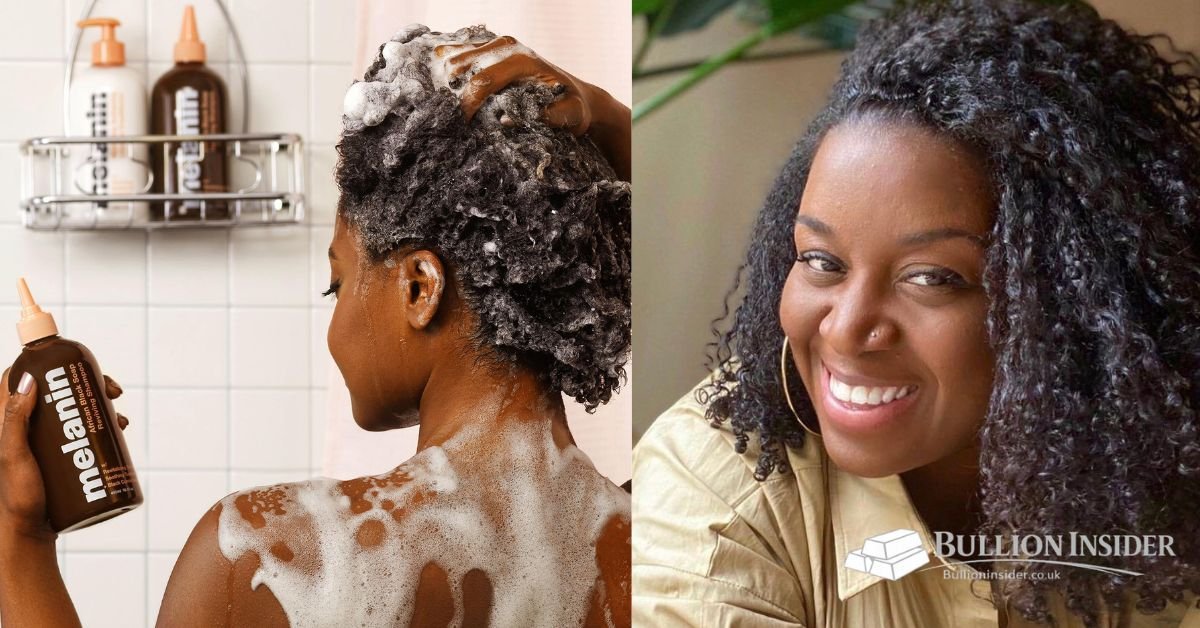
Melanin Hair Care has become one of the better-known names in the natural hair community because it takes a different approach. Instead of offering dozens of specialized products, the brand focuses on a smaller collection designed to simplify wash day while helping textured hair stay moisturized and manageable.
If you’re considering trying the brand, this guide explains what it offers, who it’s best suited for, how each product fits into a routine, and how it compares with other popular natural hair brands. The goal isn’t to convince you to buy anything—it’s to help you decide whether the products match your own hair needs.
What Is Melanin Hair Care?
Melanin Hair Care is a Black-owned haircare brand launched in October 2018 by Whitney White, widely known online as Naptural85, and Taffeta White. Whitney built a large following by sharing educational videos about caring for natural hair, and the brand grew from years of community feedback asking for professionally formulated products based on her haircare philosophy.
Rather than creating an extensive catalogue, the founders introduced a compact product line centered on moisture, gentle cleansing, and versatile styling. That approach remains one of the company’s defining features.
Today, the collection includes a sulfate-free shampoo, deep conditioner, leave-in conditioner, styling cream, and a multi-use oil blend.
Why Textured Hair Needs a Different Approach
Curly and coily hair behaves differently from straight hair because of its structure. Each bend and coil makes it harder for natural scalp oils to travel along the hair shaft. As a result, curls often become dry more quickly, especially at the ends.
That doesn’t mean every person with textured hair needs heavy products. Hair density, strand thickness, climate, styling habits, and porosity all affect how much moisture the hair requires.
A successful routine focuses on three simple goals:
- Cleansing the scalp without excessive dryness
- Replacing lost moisture after washing
- Protecting that moisture until the next wash day
These principles apply regardless of the brand you choose.
The Brand’s Philosophy
One reason many natural-hair enthusiasts appreciate Melanin Hair Care is its emphasis on simplicity.
Instead of encouraging customers to buy an entire cabinet of products, the brand promotes routines built around a few essentials. This reflects advice that many professional hairstylists give: consistency is usually more important than constantly switching products.
The products are designed to complement one another, but they can also be incorporated into routines alongside products from other brands if they suit your hair.
Understanding Hair Porosity Before Buying Anything
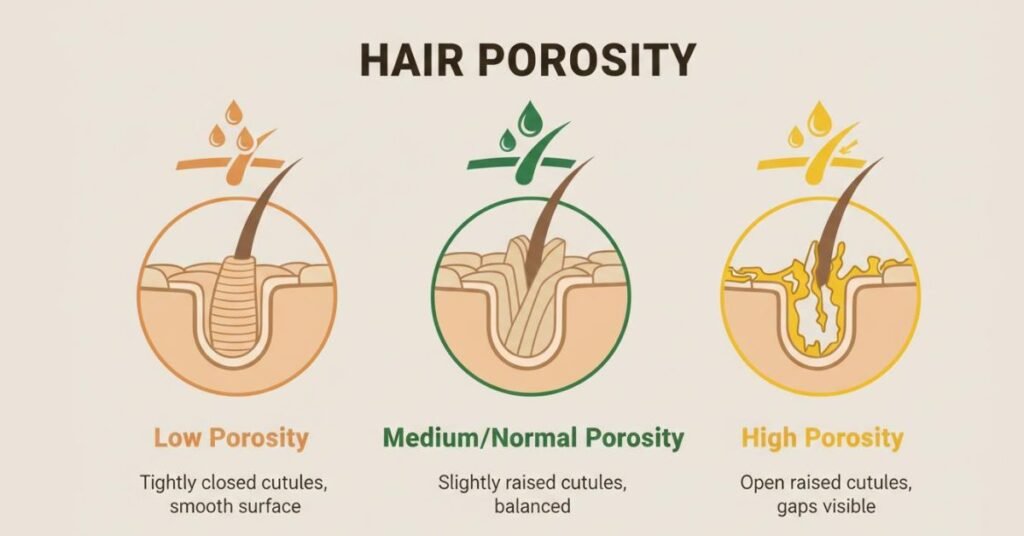
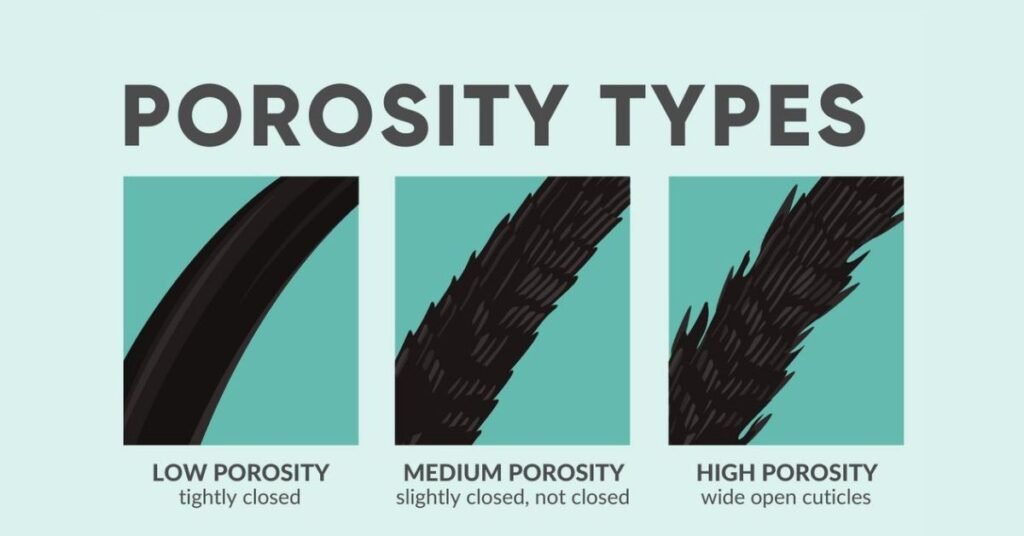
Many shoppers choose products based only on curl type. While curl pattern is helpful, hair porosity often has a greater influence on how products perform.
Low-Porosity Hair
Low-porosity hair has tightly packed cuticles that make it slower to absorb water and conditioning ingredients.
People with this hair type often benefit from:
- Applying conditioner to warm, damp hair
- Using moderate amounts of richer products
- Avoiding excessive layering that can lead to buildup
Medium-Porosity Hair
Hair with medium porosity generally absorbs and retains moisture without much difficulty.
Most balanced moisturizing routines work well, making this hair type relatively easy to maintain with regular cleansing and conditioning.
High-Porosity Hair
High-porosity hair absorbs moisture quickly but loses it just as fast. Heat damage, chemical processing, and coloring can all increase porosity.
Many people with high-porosity hair prefer layering a leave-in conditioner followed by a lightweight oil to slow moisture loss between wash days.
Knowing your porosity won’t guarantee perfect product choices, but it provides a better starting point than buying products based only on online recommendations.
What’s Inside the Products?
Ingredient lists vary slightly across the collection, but several moisturizing ingredients appear throughout the lineup.
Aloe Vera
Aloe vera is commonly used in leave-in conditioners because it provides lightweight hydration and helps improve slip during detangling.
Shea Butter
Shea butter is widely used in textured hair products for its rich, moisturizing properties. It can help soften dry hair, although people with very fine hair may prefer smaller amounts.
Baobab Oil
Baobab oil contains fatty acids that help condition the hair and improve softness. It is frequently included in products designed for dry curls.
Argan Oil
Often called a conditioning oil rather than a growth treatment, argan oil helps smooth the hair surface and improve manageability.
Sweet Almond Oil
Sweet almond oil is commonly used to soften hair and add shine without creating excessive heaviness when applied in moderation.
African Black Soap
The shampoo uses African black soap as part of its cleansing system. The product is also formulated without sulfates, helping remove buildup while being gentler than many traditional shampoos.
No ingredient works like magic on its own. Healthy hair usually comes from a combination of appropriate products, consistent care, and gentle handling over time.
How to Use Each Product in Your Routine

Knowing when to use a product is often just as important as choosing the right one.
| Product | When to Use | Purpose | Helpful Tip |
| African Black Soap Reviving Shampoo | Every 1–2 weeks or as needed | Cleanses the scalp and removes buildup | Concentrate shampoo on the scalp rather than the hair lengths. |
| Plumping Deep Conditioner | After shampooing | Restores moisture and improves softness | Leave it on for several minutes before rinsing thoroughly. |
| Multi-Use Softening Leave-In Conditioner | Immediately after washing | Hydrates, detangles, and prepares hair for styling | Apply while hair is still damp for better moisture retention. |
| Multi-Use Pure Oil Blend | After leave-in conditioner | Helps reduce moisture loss | Oils seal moisture; they don’t replace water-based hydration. |
| Twist-Elongating Style Cream | During styling | Defines twists, braid-outs, and similar hairstyles | Use enough for definition without coating the hair too heavily. |
How Does It Compare With Other Popular Brands?
Every natural hair brand has its own strengths. Rather than asking which one is “best,” it’s more useful to compare what each one focuses on.
| Brand | Best Known For | Product Range | Moisture Level | Best For |
| Melanin Hair Care | Simple routines and multi-purpose products | Focused collection | Rich | Curly, coily, and textured hair seeking hydration |
| Mielle Organics | Oils, scalp care, and broad product selection | Extensive | Medium to rich | Multiple hair concerns and routines |
| SheaMoisture | Widely available products across many collections | Very extensive | Varies by collection | Beginners and budget-conscious shoppers |
| Pattern Beauty | Curl definition and conditioning | Moderate | Rich | Curly and coily hair with a styling focus |
| Camille Rose | Botanical-inspired formulas | Moderate | Rich | Dry curls needing intensive moisture |
| As I Am | Cleansing and everyday maintenance | Moderate | Medium | Wash-day essentials and regular maintenance |
The right choice depends less on brand popularity and more on your hair’s texture, porosity, lifestyle, and personal preferences. Many people mix products from different brands to build a routine that works specifically for them.
Who Is Most Likely to Benefit?
The collection is primarily designed for people with:
- Type 3 curls
- Type 4 coils
- Dry textured hair
- Protective hairstyles
- Transitioning hair
- Color-treated curls needing gentle cleansing
- Hair that tangles easily
- Hair that loses moisture quickly
People with fine curls or naturally oily hair may still enjoy some products but often achieve better results by applying lighter amounts.
Common Mistakes That Affect Results
Sometimes the issue isn’t the product—it’s how it’s used.
One of the most common mistakes is applying oil to dry hair and expecting it to moisturize. Oils mainly help slow moisture loss rather than adding hydration on their own.
Another mistake is using too much product. Layering thick creams, oils, and styling products can create buildup that leaves curls feeling heavy instead of moisturized.
Finally, many people change routines too quickly. Hair often needs consistency over several weeks before you can fairly judge how a product performs.
Choosing the Right Products for Your Hair
No single haircare routine works for everyone. The best results usually come from selecting products based on your hair’s texture, porosity, lifestyle, and the concerns you’re trying to address rather than buying an entire collection at once.
If you’re trying the brand for the first time, start with one or two products instead of replacing your entire routine. This makes it easier to see how your hair responds.
If Your Hair Feels Dry Most of the Time
Hair that regularly feels rough, brittle, or difficult to detangle often benefits from routines that focus on restoring moisture.
A good starting point includes:
- A gentle shampoo that cleans without leaving hair stripped
- A deep conditioner used regularly
- A leave-in conditioner applied to damp hair
- A small amount of oil to help reduce moisture loss
Keeping the hair hydrated between wash days is often more effective than applying large amounts of product all at once.
If You Have Fine Curly Hair
Fine curls can become weighed down more easily than thicker strands.
Consider these tips:
- Use smaller amounts of leave-in conditioner.
- Apply oil only where needed, such as the ends.
- Avoid layering several heavy styling products together.
- Focus on lightweight hydration instead of maximum hold.
Less product often creates better curl definition for finer hair.
If You Have Thick Type 4 Hair
Coily hair frequently requires additional moisture because natural oils travel more slowly along tightly curled strands.
Many people with thicker textures benefit from:
- Regular deep conditioning
- Applying leave-in conditioner while hair is damp
- Sealing moisture with a light layer of oil
- Protective styles that reduce daily manipulation
The goal isn’t to use the most product—it’s to maintain moisture consistently.
If You Have Low-Porosity Hair
Low-porosity hair often struggles to absorb products.
Helpful practices include:
- Applying conditioner after washing while hair is still warm
- Using moderate amounts of richer products
- Clarifying occasionally if buildup becomes noticeable
- Avoiding excessive layering
Heavy product application doesn’t necessarily improve hydration.
If You Have High-Porosity Hair
High-porosity hair usually absorbs moisture quickly but loses it just as fast.
To help maintain hydration:
- Deep condition regularly.
- Apply leave-in conditioner to soaking wet or very damp hair.
- Follow with a small amount of oil to help reduce moisture loss.
- Limit excessive heat styling whenever possible.
Consistency is often more important than constantly switching products.
Building a Simple Weekly Routine
You don’t need an elaborate schedule to care for textured hair. A straightforward routine is often easier to maintain.
Wash Day
Begin by thoroughly wetting your hair before shampooing. Focus on cleansing the scalp, where oil, sweat, and product buildup collect.
After rinsing, apply a deep conditioner from roots to ends. Leave it on according to the product directions before rinsing thoroughly.
While your hair is still damp, work in a leave-in conditioner to improve slip and hydration. If your hair loses moisture quickly, finish with a small amount of oil before styling.
Between Wash Days
Most textured hair doesn’t need daily washing.
Instead, many people refresh their curls by lightly misting the hair with water or using a small amount of leave-in conditioner if needed.
Avoid adding more styling cream every day unless you’re restyling the hair, as repeated layering may contribute to buildup.
Nighttime Care
Protecting your hair overnight helps preserve moisture and reduce friction.
Many people use:
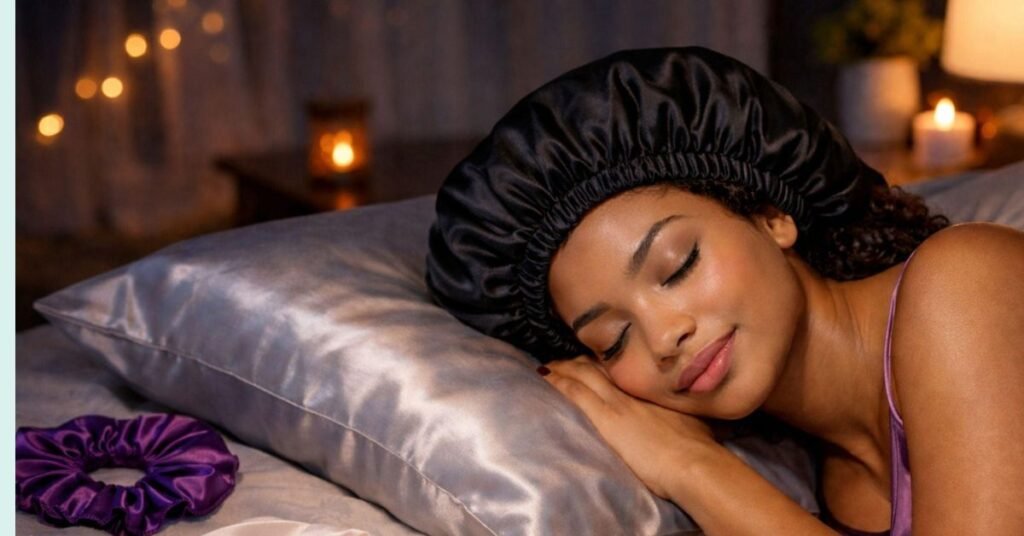
- Satin bonnets
- Silk scarves
- Satin pillowcases
These materials create less friction than cotton, helping hairstyles last longer while reducing tangles and breakage.
Everyday Habits That Support Healthier Hair
Products are only one part of a successful routine.
Small daily habits often have a greater long-term impact.
Detangle patiently using your fingers or a wide-tooth comb, beginning at the ends and gradually working toward the roots. This helps reduce unnecessary breakage.
If you use heated styling tools, apply a heat protectant and avoid excessively high temperatures whenever possible. Repeated heat exposure can weaken the hair cuticle over time.
Regular trims are also important. Although trimming doesn’t increase hair growth, removing damaged ends can help prevent split ends from worsening and make the hair easier to manage.
Finally, avoid wearing tight hairstyles continuously. Styles that place constant tension on the hairline may increase the risk of traction-related hair loss.
What This Haircare Line Does Well—and Where It May Not Be the Best Fit
Every brand has strengths and limitations, and understanding both helps set realistic expectations.
Strengths
- Focuses on moisture-rich care for textured hair
- Keeps the product range simple and easy to understand
- Includes multi-purpose products that fit into different routines
- Uses sulfate-free shampoo for gentle cleansing
- Suitable for many curly and coily hair types
Potential Limitations
- Premium pricing compared with many drugstore brands
- Smaller product selection than some competitors
- Rich formulas may feel heavy if too much product is applied to fine hair
- Availability may vary outside the United States
These points don’t make the products better or worse—they simply help determine whether they match your individual hair needs.
Is It Worth Trying?
If your routine focuses on improving moisture, reducing dryness, and simplifying wash day, this collection may be worth considering.
However, no haircare brand can guarantee healthier hair or faster growth. Hair health depends on several factors, including genetics, overall health, styling habits, environmental conditions, and routine consistency.
Instead of expecting dramatic overnight changes, evaluate products over several weeks while keeping the rest of your routine relatively consistent.
Final Thoughts
Finding the right routine for textured hair is often a process of learning what works for your individual curls rather than chasing the newest product release.
Melanin Hair Care has earned a respected place within the natural hair community by focusing on hydration, gentle cleansing, and uncomplicated routines. Rather than offering an overwhelming number of products, it provides a smaller collection that can fit into many wash-day routines.
Whether it’s the right choice for you depends on your hair’s porosity, texture, styling habits, and personal preferences. Taking time to understand those factors—and introducing new products gradually—will usually lead to better long-term results than following trends or relying on marketing claims alone.
Healthy hair isn’t built in a single wash day. It develops through consistent care, gentle handling, realistic expectations, and products that support your hair’s natural needs.
FAQs
Who founded Melanin Hair Care?
Melanin Hair Care was founded by Whitney White (known as Naptural85) and Taffeta White. The brand officially launched in October 2018.
Is Melanin Hair Care only for Type 4 hair?
No. The products are primarily designed for curly, coily, and textured hair, including many Type 3 and Type 4 curl patterns, but individual results vary depending on hair characteristics and product use.
Can I use the oil by itself as a moisturizer?
Not ideally. Hair is moisturized with water and water-based products such as leave-in conditioners, while oils are generally used to help reduce moisture loss after hydration.
How often should I deep condition my hair?
The ideal frequency depends on your hair’s condition and routine. Many people with textured hair deep condition regularly after shampooing, especially if their hair feels dry or has been exposed to heat or chemical treatments.
Do I need every product in the collection?
No. A complete routine isn’t necessary for everyone. Start with the products that address your biggest concern—such as dryness, detangling, or gentle cleansing—and build your routine based on how your hair responds.
Also Read: Best Stocking Stuffers for Women: Thoughtful Gift Ideas She’ll Actually Use in 2026