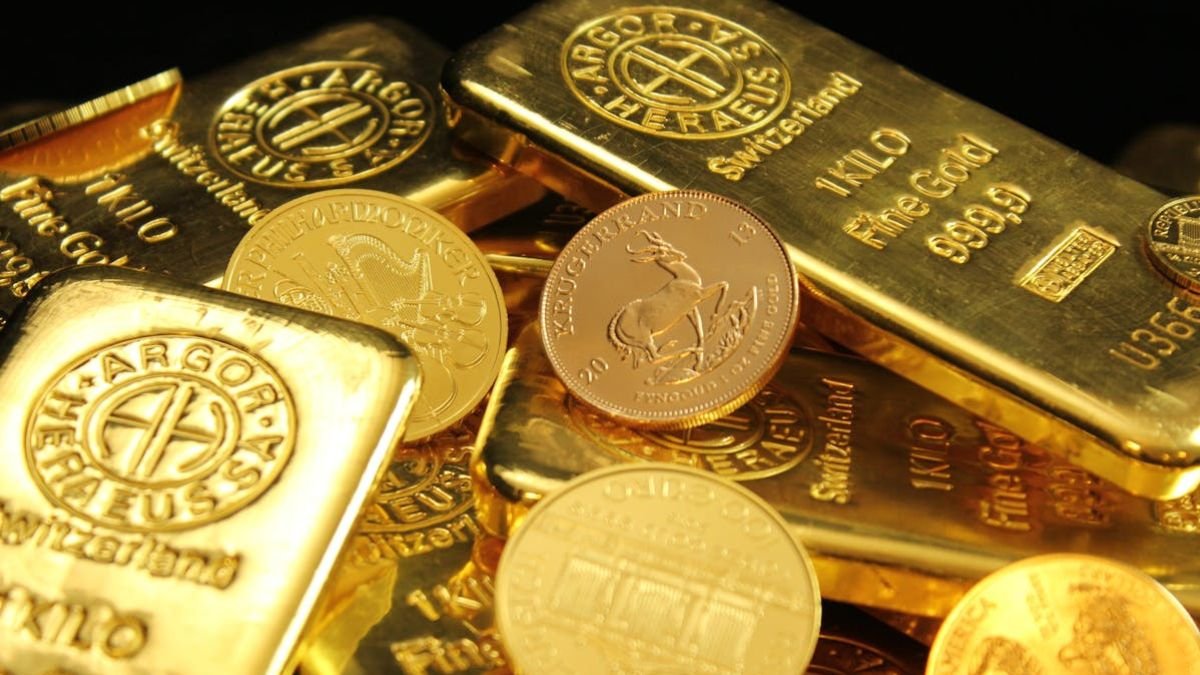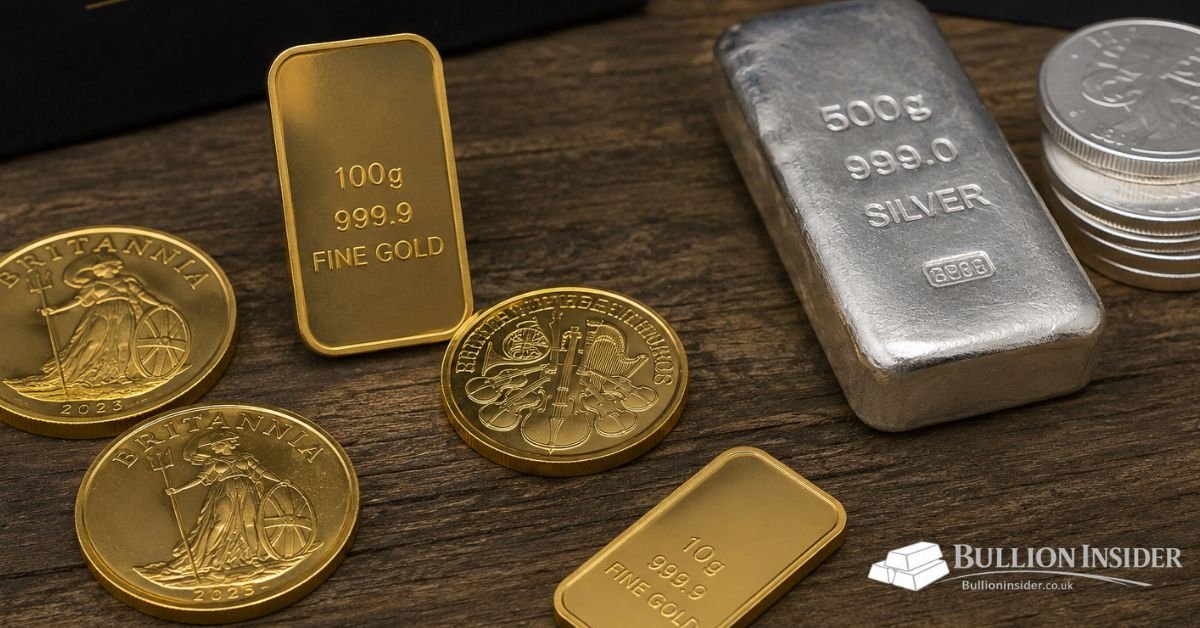
Gold has played a central role in the global financial system for centuries. Although today’s currencies are no longer backed by gold, central banks continue to treat it as one of the world’s most trusted reserve assets. In 2026, official gold buying remains strong as many countries look to strengthen their financial security, diversify reserves, and reduce reliance on a single foreign currency.
Recent data from the World Gold Council shows that central banks continue to be major contributors to global gold demand. Rising geopolitical uncertainty, inflation concerns, and changing reserve management strategies have encouraged many monetary authorities to expand their gold holdings.
What Are Central Bank Gold Purchases?
Central bank gold purchases refer to the acquisition of physical gold by a country’s central bank or monetary authority. These purchases become part of the nation’s official foreign exchange reserves, alongside assets such as foreign currencies, government bonds, and Special Drawing Rights (SDRs).
Unlike private investors, central banks rarely buy gold for short-term profits. Instead, they view it as a long-term reserve asset that can help protect national wealth during economic uncertainty.
For example, if financial markets become unstable or a country’s foreign currency reserves lose value, gold can provide stability because it has historically maintained purchasing power over long periods.
Why Gold Remains Important in 2026
Despite advances in digital finance and global banking, gold continues to offer several advantages that few financial assets can match.
Gold is not tied to the financial health of any single country or institution. Unlike government bonds, it carries no default risk. It also cannot be created by central banks, making it a limited and globally recognized asset.
These qualities make gold especially valuable during periods of:
- High inflation
- Banking uncertainty
- Currency volatility
- International conflicts
- Economic sanctions
- Global recessions
Because of these factors, many reserve managers continue to consider gold an essential part of a balanced reserve portfolio.
Why Are Central Banks Buying More Gold?
The reasons differ slightly from country to country, but several common themes appear in official surveys and reports.
Diversifying Foreign Exchange Reserves
Many central banks have traditionally held large amounts of U.S. dollars and other major currencies. While these assets remain important, relying too heavily on one currency creates concentration risk.
Adding gold helps spread that risk across different types of reserve assets.
Protecting Against Economic Uncertainty
Financial crises often lead investors toward safe-haven assets. Gold has historically performed well during periods of uncertainty because its value does not depend on the financial performance of a company or government.
This makes gold a useful reserve asset when markets experience significant volatility.
Managing Inflation Risks
Although gold prices fluctuate over shorter periods, the metal has generally preserved purchasing power over the long term.
When inflation reduces the value of paper currencies, gold often becomes more attractive as a store of wealth.
Responding to Geopolitical Risks
Recent years have seen increased geopolitical tensions, trade disputes, and financial sanctions affecting international reserve management.
Many central banks are adjusting their reserve strategies by increasing gold allocations to reduce exposure to geopolitical uncertainty.
Also Read: 1/10 oz Gold Coin: A Smart Way to Start Investing in Physical Gold
Latest Central Bank Gold Purchasing Trends in 2026
According to the World Gold Council’s latest Gold Demand Trends report, official sector demand remained strong during the first quarter of 2026.
Key developments include:
- Net purchases reached approximately 244 tonnes during the first quarter.
- Official buying remained well above the long-term average.
- Many central banks continued adding gold despite historically high market prices.
- Survey responses indicate continued optimism toward increasing gold reserves over the coming years.
These figures suggest that reserve managers continue to prioritize long-term financial stability over short-term price movements.
Which Countries Are Buying Gold?
Several countries have continued increasing official gold reserves during 2026, although purchasing activity varies throughout the year.
China
The People’s Bank of China has continued expanding its gold reserves through regular monthly purchases.
China’s strategy reflects a broader effort to diversify reserve assets while strengthening long-term financial resilience.
Poland
Poland has remained one of Europe’s most active official gold buyers in recent years.
The country’s central bank has repeatedly stated that gold strengthens financial credibility and provides additional protection during periods of uncertainty.
India
The Reserve Bank of India continues maintaining gold as an important component of its reserve portfolio.
India balances gold with foreign currency assets to improve diversification while supporting long-term reserve management objectives.
Turkey
Turkey has frequently adjusted its official gold holdings based on reserve management needs and domestic market conditions.
Its reserve strategy demonstrates how central bank gold purchases can change over time as economic priorities evolve.
How Central Banks Decide to Buy Gold
Gold purchases are rarely made overnight. Reserve managers usually follow a structured investment process.
They evaluate:
- Reserve diversification goals
- Currency exposure
- Inflation expectations
- Interest rate outlook
- Financial stability risks
- Liquidity requirements
- Global economic conditions
Only after reviewing these factors do policymakers decide whether increasing gold reserves supports the country’s long-term financial strategy.
How Gold Is Added to National Reserves
Once a purchase is approved, central banks acquire physical gold through international bullion markets or, in some cases, domestic gold producers.
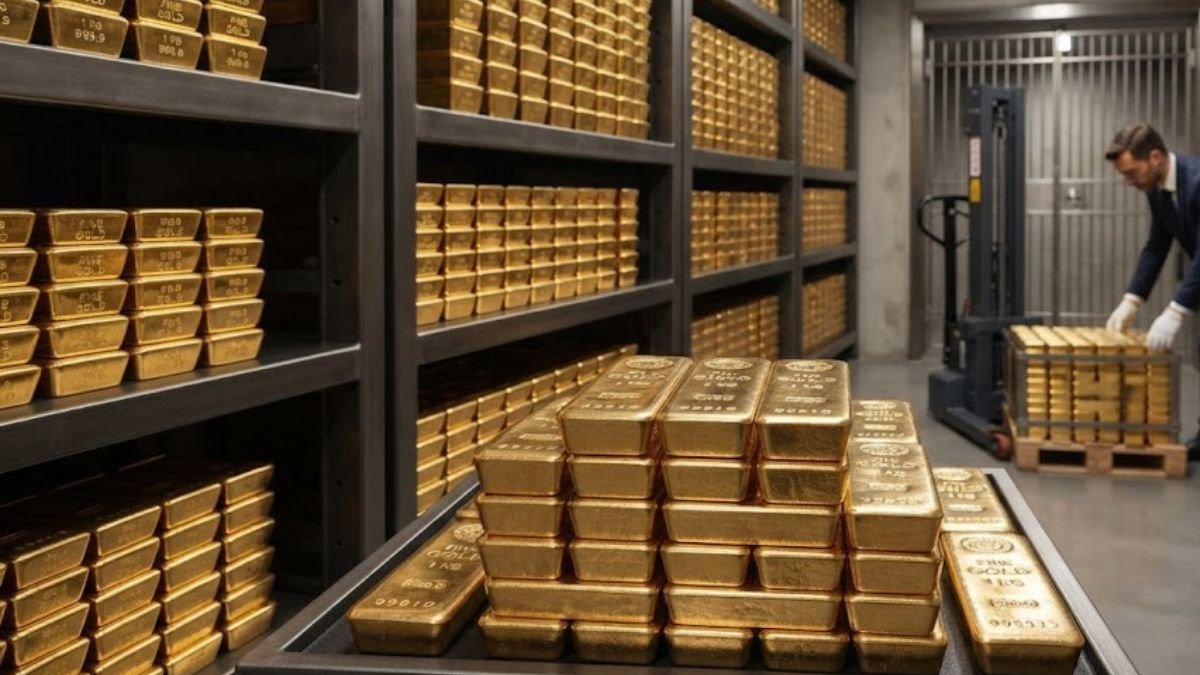
After purchase, the gold is securely stored in high-security vaults. Some countries keep reserves within their own borders, while others store part of their gold in internationally recognized financial centers to improve accessibility and security.
Regardless of storage location, these holdings become part of the country’s official reserve assets and are periodically reported through official financial statistics.
Why Central Bank Purchases Matter to Investors
Central bank buying is closely watched because it reflects the decisions of institutions responsible for managing national wealth rather than short-term market sentiment.
When official demand remains strong over several years, it often signals continued confidence in gold’s role as a long-term reserve asset. Investors may view this as an indication that gold continues to play an important role in global financial stability.
However, central bank purchases are only one factor affecting gold prices. Interest rates, inflation, currency movements, mining production, jewelry demand, and investment flows also influence the market.
Benefits of Central Bank Gold Purchases
Gold remains one of the few reserve assets that is accepted worldwide and carries no credit risk. This is why many central banks continue to increase their holdings even when prices are high.
Some of the main benefits include:
- Diversifies foreign exchange reserves.
- Reduces dependence on a single reserve currency.
- Helps preserve long-term purchasing power.
- Offers protection during financial and geopolitical crises.
- Builds confidence in a country’s financial system.
- Maintains value without relying on another government’s promise to repay debt.
Drawbacks and Challenges
While gold has many strengths, it is not a perfect reserve asset.
Central banks also consider several limitations before increasing their holdings.
Gold Does Not Generate Income
Unlike government bonds, gold does not pay interest or dividends. Holding large amounts of gold may reduce the income generated from reserve assets.
Storage Costs
Physical gold must be stored securely in specialized vaults. Insurance, transportation, and security add ongoing costs.
Price Volatility
Gold prices can experience significant swings over short periods. Although it has historically preserved value over the long term, short-term market movements can affect reserve valuations.
Also Read: 14k Gold Price Per Gram Today: Current Value, Price Factors, and What Buyers Should Know
How Central Bank Gold Purchases Affect the Global Market
Official sector buying influences the gold market in several ways.
Supports Long-Term Demand
When central banks consistently buy gold, they create stable demand that helps support the market over time.
Influences Investor Confidence
Investors closely monitor central bank activity. Continued purchases often reinforce gold’s reputation as a safe-haven asset.
Impacts Reserve Strategies
As more countries diversify into gold, reserve management practices around the world gradually evolve.
It’s important to remember that gold prices are influenced by many factors, including interest rates, inflation, currency movements, investment demand, jewelry consumption, and mining supply—not central bank purchases alone.
Key Statistics for 2026
Official data highlights the strength of central bank demand.
- Net central bank gold purchases reached 244 tonnes in Q1 2026.
- 89% of central banks surveyed expect global official gold reserves to increase over the next 12 months.
- A record 45% expect their own institution to increase gold holdings.
- Central bank demand remained one of the strongest sources of global gold demand during the first half of 2026.
Common Misconceptions
“Central banks buy gold only when prices are low.”
Not true. Many institutions continue purchasing gold even at elevated prices because reserve management focuses on long-term stability rather than short-term market timing.
“Gold has replaced foreign currencies.”
False. Gold complements foreign currency reserves but does not replace assets such as the U.S. dollar, euro, or government bonds.
“Every central bank follows the same strategy.”
Each country manages reserves according to its own economic conditions, monetary policy, and financial objectives.
Future Outlook
The outlook for central bank gold purchases remains positive.
According to the World Gold Council’s 2026 survey, most reserve managers expect global gold holdings to continue increasing. Rising geopolitical uncertainty, diversification goals, and long-term risk management are likely to keep gold an important reserve asset.
While the pace of purchases may vary from year to year, gold continues to play a significant role in national reserve strategies.
FAQs
Why are central banks buying more gold in 2026?
Many central banks are increasing gold reserves to diversify their assets, reduce currency concentration risk, and strengthen financial resilience during uncertain economic conditions.
Which countries are buying the most gold?
Countries including China, Poland, India, Turkey, and several emerging-market economies have remained active buyers in recent years, although monthly purchases vary according to official reserve policies.
Does central bank buying increase gold prices?
It can support long-term demand, but gold prices also depend on interest rates, inflation, investor demand, exchange rates, and global economic conditions.
Why don’t central banks invest only in gold?
Gold is only one part of a diversified reserve portfolio. Central banks also hold foreign currencies, government securities, and other reserve assets to maintain liquidity and support monetary policy.
Is gold still important after the gold standard ended?
Yes. Although currencies are no longer backed by gold, it remains one of the world’s most trusted reserve assets because of its liquidity, durability, and lack of credit risk.
Key Takeaways
- Central bank gold purchases remained strong throughout 2026.
- Gold helps diversify national reserves and reduce financial risk.
- Official buying reflects long-term reserve management rather than short-term speculation.
- Geopolitical uncertainty and inflation continue to support demand for gold.
- The World Gold Council reports that most central banks expect official gold reserves to keep growing over the next year.
Conclusion
Central bank gold purchases 2026 remain one of the most important trends in the global precious metals market. Governments continue to view gold as a reliable reserve asset that provides diversification, stability, and protection during periods of economic and geopolitical uncertainty.
Although the pace of buying may change over time, the overall direction is clear: gold continues to play a vital role in reserve management. For investors, policymakers, and anyone following the gold market, monitoring central bank activity offers valuable insight into how nations are preparing for future financial challenges. Official surveys and recent reserve data suggest that gold will remain a cornerstone of central bank strategy for years to come.
Also Read: 1 Kilo of Silver Price: Complete Guide to Value, Market Trends, and Buying Tips