Silver has always been one of the most trusted precious metals for investors and collectors. Whether you’re planning to invest in bullion or simply tracking market trends, understanding the 1 kilo of silver price helps you make informed decisions. Since silver prices change throughout the trading day, knowing what influences those changes can help you buy or sell at the right time.
This guide explains how silver is priced, what affects its value, and what you should consider before purchasing a 1 kg silver bar.
What Is the 1 Kilo of Silver Price?
The 1 kilo of silver price refers to the current market value of one kilogram of pure silver. A kilogram equals 1,000 grams or approximately 32.15 troy ounces, which is the standard unit used in global precious metal markets.
The price is not fixed. It changes constantly because silver is traded worldwide. As market conditions shift, the value of one kilogram of silver moves up or down throughout the day.
How Is the Price of One Kilogram of Silver Calculated?
The global silver market mainly quotes prices per troy ounce. To estimate the value of one kilogram, the current silver spot price is multiplied by 32.15 troy ounces.
However, the final amount you pay for a silver bar is usually higher than the spot price. Dealers include additional costs such as manufacturing, refining, transportation, insurance, and their business margin. This is why the retail 1 kilo of silver price is often above the market spot value.
Why Does the 1 Kilo of Silver Price Change Every Day?
Silver is one of the most actively traded precious metals, so its price responds quickly to economic events and investor activity.
Several factors influence daily price movements:
Global Supply and Demand
Silver is widely used in electronics, solar panels, medical equipment, batteries, and jewelry. Higher industrial demand often pushes prices upward, while weaker demand may reduce prices.
Inflation
Many investors buy silver to protect their money during periods of rising inflation. Increased demand from investors can lead to a higher 1 kilo of silver price.
Currency Movements
Silver is generally traded in US dollars. When the dollar strengthens, silver often becomes more expensive for buyers using other currencies, which can influence demand and pricing.
Economic Uncertainty
Political instability, financial crises, and market volatility often increase interest in precious metals. During uncertain times, silver may experience stronger buying activity.
Spot Price vs. Retail Price
Many first-time buyers are surprised that the advertised selling price is higher than the spot price.
The spot price reflects the current market value of raw silver before additional costs. The retail price includes dealer premiums, refining costs, minting expenses, shipping, storage, and taxes where applicable.
Understanding this difference helps buyers compare offers more accurately instead of choosing solely based on the quoted market price.
Is Buying a 1 kg Silver Bar a Good Investment?
For many investors, purchasing a kilogram silver bar offers better value than buying many smaller bars or coins. Larger bars usually carry lower premiums per gram, making them more cost-effective over time.
The 1 kilo of silver price also makes it easier to estimate the total value of your investment because the bar represents a standard investment size accepted by many bullion dealers.
Still, silver should be viewed as a long-term investment. Like other commodities, prices can rise and fall over short periods.
Benefits of Investing in Silver
Silver remains popular for several practical reasons.
- Lower entry cost than gold.
- Strong industrial demand supports long-term value.
- Widely recognized across international markets.
- Easy to buy and sell through bullion dealers.
- Useful for portfolio diversification.
These advantages make silver attractive to both new and experienced investors.
What Should You Check Before Buying?
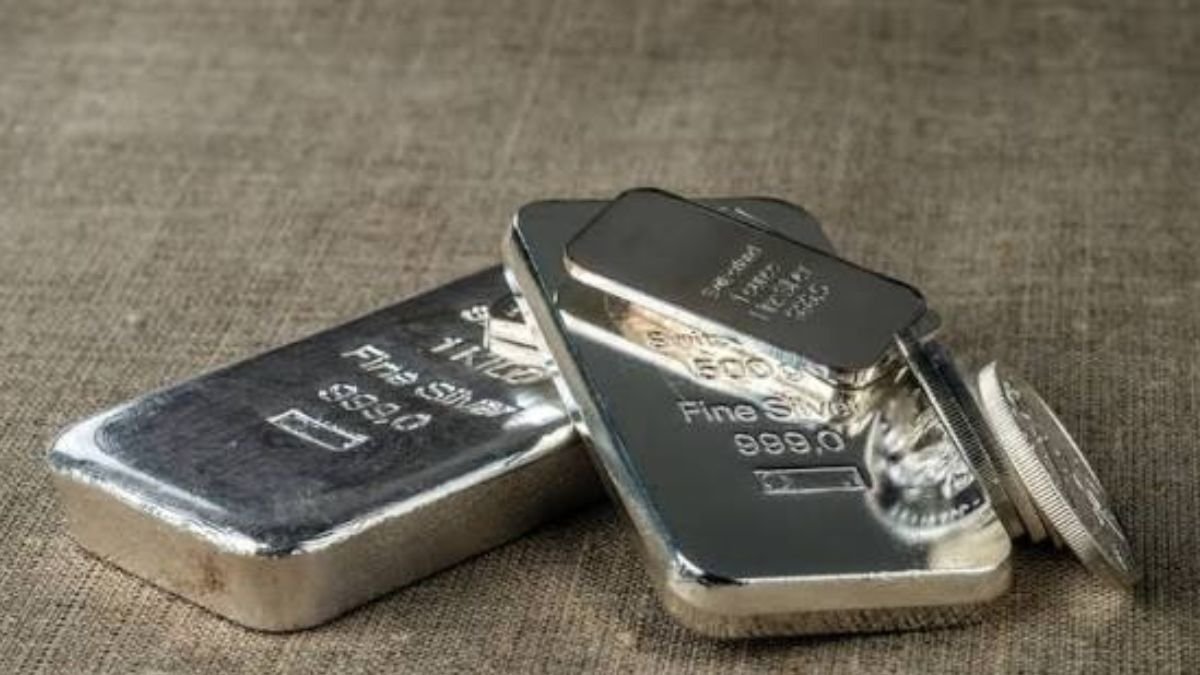
Before purchasing a silver bar, verify its purity. Investment-grade silver bars are usually marked as 999 fine silver, meaning they contain 99.9% pure silver.
You should also check:
- Manufacturer reputation.
- Weight certification.
- Authenticity markings.
- Current market premium.
- Buyback options offered by the dealer.
Carefully comparing these details helps ensure you receive fair value for your investment.
Where Can You Buy a 1 kg Silver Bar?
Silver bars are available from bullion dealers, precious metal exchanges, certified coin shops, and some financial institutions.
Choose sellers with transparent pricing, verified products, and positive customer reviews. Comparing premiums from several dealers may save a significant amount, especially when purchasing larger quantities.
Factors That Can Affect Future Silver Prices
Although nobody can predict future prices with certainty, several long-term trends influence the market.
Growing demand from renewable energy industries, expanding electric vehicle production, and increased use in advanced electronics continue to support industrial silver consumption.
At the same time, mining output, central bank policies, interest rates, and global economic growth all contribute to future price movements. Investors who regularly monitor these factors gain a better understanding of possible market changes.
Should You Buy When Prices Drop?
Many experienced investors view temporary price declines as buying opportunities rather than reasons to panic.
Instead of trying to predict the perfect market bottom, some buyers invest gradually over time. This approach reduces the impact of short-term price fluctuations while building a long-term silver holding.
The right strategy depends on your financial goals, investment timeline, and risk tolerance.
Tips for First-Time Silver Buyers
If you’re new to silver investing, start with a clear plan instead of making emotional decisions based on daily price swings.
Track the 1 kilo of silver price regularly to understand normal market movement before making a purchase. Compare dealer premiums rather than focusing only on the spot price. Store your silver securely, keep purchase records, and buy only from trusted sellers with verified products.
Most importantly, consider silver as one part of a diversified investment portfolio rather than relying on a single asset.
Conclusion
The 1 kilo of silver price reflects much more than the value of a precious metal. It responds to global demand, industrial use, economic conditions, currency movements, and investor confidence. Understanding how pricing works allows you to compare offers more effectively and avoid paying unnecessary premiums.
Whether you’re investing for wealth preservation, diversification, or long-term growth, learning how the silver market operates will help you make smarter financial decisions. Staying informed and purchasing from reputable dealers are the best ways to build confidence in your investment.
FAQs
What determines the 1 kilo of silver price?
The price mainly depends on the global silver spot price, market demand, economic conditions, and dealer premiums.
Why is a silver bar more expensive than the spot price?
Retail prices include refining, manufacturing, shipping, insurance, and the dealer’s premium.
Is a 1 kg silver bar better than smaller bars?
Many investors prefer larger bars because they usually have lower premiums per gram, making them more cost-effective.
How pure is an investment-grade silver bar?
Most investment bars are made from 999 fine silver, which means they contain 99.9% pure silver.
Is silver a good long-term investment?
Silver can be a valuable long-term investment for diversification, though its price may fluctuate over shorter periods.