Buying a vehicle should be a comfortable and enjoyable experience for everyone. Whether you are comparing different models, discussing finance options, or asking questions about servicing, clear communication is essential. For people with hearing loss, however, busy showrooms and service areas can make conversations difficult. This is where a Car Dealership With Hearing Loop can make a meaningful difference.
A hearing loop is an assistive listening system designed to help people who use compatible hearing aids or cochlear implants hear speech more clearly. Instead of competing with background noise, the system sends sound directly to the hearing device, making conversations easier to understand. As more businesses focus on accessibility and inclusive customer service, some automotive dealerships have begun introducing hearing loop systems to improve the overall customer experience.
Choosing a dealership is no longer just about vehicle selection or pricing. Many buyers now look for businesses that value accessibility and make every customer feel welcome. From reception areas to finance offices, accessible communication tools help create a better environment where everyone can ask questions, understand important information, and make confident decisions.
This guide explains everything you need to know about hearing loops in automotive dealerships, how they work, who benefits from them, and why accessibility is becoming an important part of the modern car-buying journey.
What Is a Car Dealership With Hearing Loop?
A Car Dealership With Hearing Loop is an automotive dealership that has installed an audio induction loop system to support customers with hearing loss. The system works with hearing aids and many cochlear implants that have a telecoil, commonly called a T-coil.
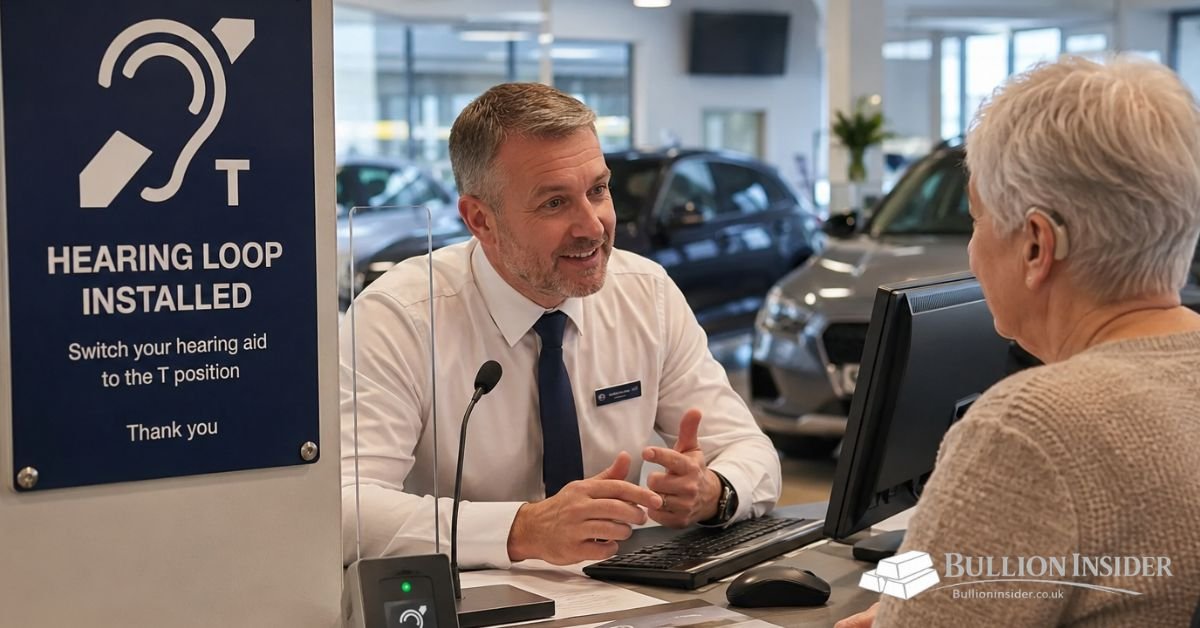
When a salesperson or service advisor speaks into a connected microphone, their voice is transmitted directly to the customer’s hearing device. This allows the customer to hear speech more clearly while reducing the effect of surrounding noise from conversations, vehicles, or showroom activity.
Unlike traditional loudspeakers that increase the volume for everyone, a hearing loop delivers sound only to compatible hearing devices. This creates a more personal and effective listening experience, particularly in busy environments where background noise can make conversations difficult.
Many public buildings have used hearing loops for years, including hospitals, banks, libraries, theatres, churches, airports, and government offices. Their introduction into automotive dealerships reflects a growing commitment to making customer service more accessible for everyone.
Why Accessibility Matters in Modern Car Dealerships
Buying a vehicle involves much more than choosing a model. Customers often spend considerable time discussing finance agreements, warranty options, insurance products, maintenance packages, and vehicle features. Missing important information because of hearing difficulties can lead to confusion or uncertainty.
Accessible communication helps ensure every customer receives the same quality of service regardless of their hearing ability. When dealerships invest in inclusive technology, they demonstrate that customer satisfaction extends beyond sales.
An accessible dealership also creates a welcoming atmosphere for family members who may accompany the buyer. Elderly customers, veterans, and people experiencing age-related hearing loss often appreciate businesses that recognize their communication needs without making the process complicated.
Providing clear communication is not simply about convenience. It builds trust, improves confidence, and encourages stronger relationships between customers and dealership staff.
Understanding Hearing Loop Technology
Although hearing loop technology may sound advanced, its basic principle is straightforward. The system converts speech into a magnetic signal that is received directly by compatible hearing devices.
A standard hearing loop installation includes several important components:
- A microphone used by dealership staff.
- An amplifier that processes the audio.
- A loop cable installed around a room or beneath a counter.
- A hearing aid or cochlear implant with an activated telecoil.
Once the system is operating, customers simply switch their hearing device to the T-coil setting. The speech is then delivered directly into the hearing aid, making voices much easier to understand even when the surrounding environment is busy.
Because the sound travels directly to the hearing device, customers often notice significantly less background noise than they would through normal hearing alone.
How Hearing Loops Improve the Car Buying Experience
Purchasing a vehicle usually requires several detailed conversations. Customers ask questions about engine performance, safety technology, financing, servicing, warranties, and optional features. Missing even small details can affect purchasing decisions.
A hearing loop improves these conversations by allowing customers to hear staff members more clearly. Instead of asking people to repeat themselves several times, buyers can focus on understanding the information being shared.
This creates a smoother experience from the moment customers enter the dealership until they drive away in their new vehicle.
Some common situations where hearing loops are particularly useful include:
Sales Consultations
Customers can discuss vehicle specifications, available trims, optional equipment, and pricing without struggling to hear every detail.
Finance Discussions
Finance agreements often include important terms, payment schedules, and contract details. Clear communication helps customers understand every part of the agreement before signing.
Service Reception
When booking maintenance or repairs, customers need accurate information about costs, repair timelines, and recommended services. Better hearing reduces misunderstandings.
Vehicle Delivery
Staff frequently explain dashboard controls, safety systems, infotainment features, and maintenance reminders during vehicle handover. Hearing loops make these explanations easier to follow.
Where Hearing Loops Are Usually Installed
Not every dealership installs hearing loops throughout the entire building. Instead, many businesses choose locations where one-to-one conversations are most important.
Common installation areas include:
Reception Desk
The reception area is often the first point of contact. Installing a hearing loop here allows customers to ask questions and receive directions immediately upon arrival.
Sales Offices
Private consultation rooms provide an ideal environment for discussing vehicle options, pricing, and trade-in values. A hearing loop helps maintain clear communication throughout the conversation.
Finance Office
Vehicle financing involves detailed discussions that require careful listening. Hearing loops help customers understand payment options and contractual information.
Service Department
Service advisors regularly explain maintenance schedules, repair recommendations, diagnostic results, and estimated completion times. Improved hearing makes these conversations more productive.
Customer Information Counters
Many dealerships have customer support desks where visitors request brochures, book appointments, or ask general questions. Counter hearing loops provide an effective accessibility solution for these areas.
Different Types of Hearing Loop Systems
There is no single hearing loop system suitable for every dealership. The best option depends on the building layout, customer flow, and communication needs.
Counter Hearing Loops
Counter loops are compact systems designed for face-to-face conversations across desks or service counters. They are commonly installed at reception desks, cashier stations, and customer service points.
Room Hearing Loops
Room loops create coverage throughout an office or consultation room. They are ideal for finance offices, private meeting rooms, and sales consultation areas where customers spend more time discussing important information.
Portable Hearing Loops
Portable systems can be moved between locations when needed. They are useful for temporary events, vehicle exhibitions, community outreach programs, or mobile customer consultations.
Large Area Hearing Loops
Some dealerships with large meeting rooms or conference facilities may install larger loop systems that cover wider spaces. These are often used for presentations, staff training, or customer events where multiple people are present.
Benefits for Customers
Accessibility features should make every customer feel comfortable, respected, and included. Hearing loops provide several practical benefits that improve the dealership experience from start to finish.
One of the biggest advantages is improved speech clarity. Instead of trying to separate speech from background noise, customers hear the speaker’s voice directly through their hearing device. This makes conversations feel more natural and less tiring.
Another benefit is greater confidence. Customers can ask questions freely without worrying about misunderstanding important information. Whether discussing financing, vehicle specifications, or servicing, they are better equipped to make informed decisions.
Hearing loops also reduce listening fatigue. Busy showrooms can be noisy environments filled with conversations, announcements, phones ringing, and vehicle demonstrations. Direct audio transmission allows customers to concentrate on the discussion without becoming mentally exhausted.
For many people, these improvements transform what could be a stressful visit into a comfortable and enjoyable buying experience.
Benefits for Dealerships
Investing in accessibility benefits customers, but it also offers long-term advantages for dealerships. Businesses that create an inclusive environment often build stronger relationships with their communities and earn a reputation for excellent customer service.
One important benefit is improved customer satisfaction. When customers can communicate comfortably with sales representatives and service advisors, they are more likely to enjoy the buying process and leave positive feedback. A pleasant experience often encourages repeat business and recommendations to family and friends.
Accessibility can also reduce communication errors. Vehicle purchases involve discussing prices, financing options, warranty coverage, servicing schedules, and optional accessories. Clear communication helps ensure both customers and staff understand each other correctly, reducing confusion and unnecessary follow-up conversations.
Another advantage is a stronger brand image. Businesses that actively support accessibility demonstrate that they value every customer equally. This commitment can help distinguish a dealership from competitors, especially among customers who consider accessibility an important factor when choosing where to shop.
Finally, accessible facilities can make employees’ jobs easier. Staff members spend less time repeating information and can focus on providing helpful advice and answering questions.
Who Can Benefit From a Hearing Loop?
Although hearing loops are primarily designed for people with hearing loss, they can benefit a wide range of customers.
These include:
- People who wear hearing aids with a telecoil.
- Cochlear implant users with telecoil compatibility.
- Older adults experiencing age-related hearing loss.
- Veterans with hearing difficulties.
- Customers who struggle to hear clearly in noisy environments.
- Family members assisting someone with hearing loss.
Hearing ability varies from person to person. By offering accessible communication options, dealerships help ensure everyone receives the same level of service and attention.
Accessibility Standards and Inclusive Customer Service
Many countries have laws and guidance that encourage businesses to make reasonable adjustments for customers with disabilities.
In the United States, the Americans with Disabilities Act (ADA) requires businesses to provide effective communication for people with disabilities. While the law does not specifically require every dealership to install a hearing loop, businesses are expected to consider appropriate communication aids when needed.
In the United Kingdom, the Equality Act 2010 requires businesses to make reasonable adjustments so disabled customers are not placed at a disadvantage. Hearing loops are one example of an adjustment that may improve accessibility, depending on the circumstances.
Beyond legal requirements, many dealerships recognize that inclusive customer service is simply good business. Making communication easier helps create a welcoming environment for everyone.
How to Know if a Dealership Has a Hearing Loop
Not every dealership advertises its accessibility features on its website, so checking in advance is often helpful.
You can:
- Contact the dealership before visiting.
- Ask whether hearing loop facilities are available.
- Inquire if hearing loops are installed at the reception desk or finance office.
- Request any additional communication support you may need.
- Look for the international hearing loop symbol inside the dealership.
Planning ahead can make your visit smoother and more comfortable.
Tips for Customers Before Visiting
If you use a hearing aid or cochlear implant, a few simple steps can help you get the most from your visit.
Check that your hearing device has a telecoil and that it is activated if required by your hearing care professional. Bring any accessories you normally use and let dealership staff know if you prefer using a hearing loop during your conversation.
If you are discussing finance or warranty information, do not hesitate to ask staff to repeat or clarify anything that is unclear. A good dealership will be happy to ensure you fully understand every detail.
Choosing a quieter appointment time may also make communication even easier if the showroom is usually busy during weekends or peak hours.
Common Misunderstandings About Hearing Loops
Several myths still exist about hearing loop technology.
One common misunderstanding is that hearing loops work with every hearing aid automatically. In reality, direct use requires a compatible telecoil setting, although some venues may provide separate listening receivers.
Another misconception is that hearing loops simply make everything louder. Instead, they deliver speech directly to compatible hearing devices, helping reduce the impact of background noise.
Some people also believe hearing loops are outdated because of Bluetooth technology. In practice, hearing loops remain widely used because they are simple to operate, reliable, and do not require pairing or downloading apps.
Important Facts About Hearing Loops
There are several facts worth knowing about hearing loop systems.
Hearing loops have been used in public spaces for many decades and remain one of the most trusted assistive listening technologies available today.
They do not rely on an internet connection, Wi-Fi, or Bluetooth to function. Once a compatible hearing device is switched to the telecoil setting, the user can receive the audio signal immediately.
Many public buildings display the internationally recognized hearing loop symbol to let visitors know that assistive listening is available.
Hearing loops are designed to improve speech clarity rather than increase overall sound volume, making conversations easier to understand in busy environments.
The Future of Accessibility in Automotive Retail
Customer expectations continue to evolve, and accessibility is becoming an increasingly important part of the retail experience. Modern dealerships are investing in facilities that make every visitor feel welcome, regardless of age or ability.
Future improvements may include better staff training, expanded accessible communication options, quieter consultation areas, digital accessibility tools, captioned presentations, and wider adoption of assistive listening technologies where appropriate.
As businesses continue to focus on inclusion, accessibility is likely to become a more visible feature of customer service rather than an optional extra.
Why Accessibility Builds Customer Trust
Trust plays a major role when purchasing a vehicle. Customers want confidence that they understand pricing, finance agreements, servicing plans, and warranty information before making a decision.
When communication is clear, customers are more likely to feel respected and valued. Accessibility features demonstrate that a dealership has considered the needs of different customers rather than expecting everyone to adapt to the same environment.
This approach encourages stronger customer relationships, improves satisfaction, and contributes to a more positive buying experience from the first conversation through to vehicle delivery.
Final Thoughts
Choosing a dealership involves more than comparing prices or selecting the right vehicle. Clear communication is equally important, especially when discussing complex information such as finance, servicing, warranties, and vehicle features.
A Car Dealership With Hearing Loop can make these conversations much easier for customers who use compatible hearing aids or cochlear implants. By reducing background noise and improving speech clarity, hearing loops help create a more comfortable and confident buying experience.
Although hearing loops are not yet available in every dealership, awareness of accessibility continues to grow across the automotive industry. Businesses that invest in inclusive communication demonstrate a genuine commitment to serving every customer with respect and professionalism.
Whether you are buying your first vehicle or returning for servicing, choosing a dealership that values accessibility can help ensure every important conversation is clear, informative, and stress-free.
FAQs
What is a hearing loop in a car dealership?
A hearing loop is an assistive listening system that sends speech directly to compatible hearing aids and cochlear implants, making conversations much clearer.
Do all car dealerships have hearing loops?
No. Hearing loop availability varies between dealerships, so it is best to contact the dealership before your visit to confirm.
Do hearing loops work with every hearing aid?
No. They work directly with hearing aids or cochlear implants that support an activated telecoil (T-coil) feature.
Where are hearing loops usually installed in a dealership?
They are commonly installed at reception desks, sales offices, finance rooms, service counters, and other customer service areas.
Why are hearing loops important when buying a car?
They improve communication by reducing background noise, helping customers clearly understand information about vehicles, finance, warranties, and servicing.
Conclusion
Accessibility is an essential part of delivering excellent customer service, and hearing loop technology is one practical way dealerships can support customers with hearing loss. By improving speech clarity and reducing background noise, these systems help create a more comfortable, inclusive, and confident car-buying experience.
As awareness of accessibility continues to grow, dealerships that embrace inclusive communication are better positioned to build trust, improve customer satisfaction, and provide a welcoming environment for everyone. Whether you are purchasing a new vehicle, arranging finance, or booking a service, clear communication makes every stage of the journey easier and more enjoyable.
Accessibility and innovation often go hand in hand, helping businesses create better experiences while preparing for future developments in technology and customer service. Readers interested in broader innovations may also enjoy What Are the Best Green Technologies for Farming? A Complete Guide to Sustainable Agriculture.